
Uluguru Mountains: Tanzania’s Hidden Highland Paradise
Introduction
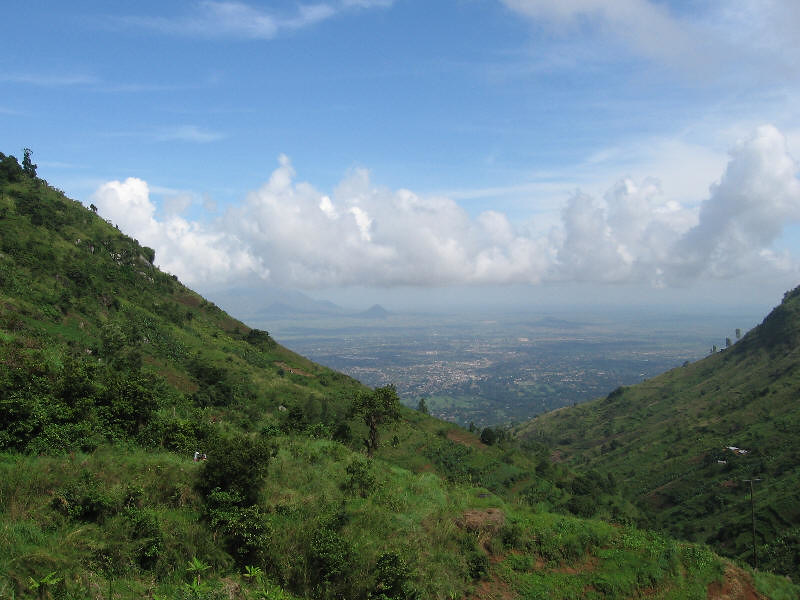
When travelers think of Tanzania, iconic destinations such as the Serengeti, Ngorongoro Crater, Zanzibar, and Mount Kilimanjaro usually come to mind. Yet hidden in the heart of the country lies one of Tanzania’s most remarkable natural treasures—the Uluguru Mountains. Rising majestically above the bustling town of Morogoro, these ancient mountains offer breathtaking scenery, unique biodiversity, rich cultural heritage, and some of the finest hiking opportunities in East Africa.
Part of the globally recognized Eastern Arc Mountain range, the Uluguru Mountains are among the oldest mountain systems on the African continent. Their lush forests, mist-covered peaks, spectacular waterfalls, and endemic wildlife have earned them international recognition as a biodiversity hotspot. Despite their ecological importance and stunning beauty, the Ulugurus remain relatively undiscovered compared to Tanzania’s more famous attractions, making them a perfect destination for travelers seeking authentic experiences away from the crowds.
Whether you are a nature lover, birdwatcher, hiker, photographer, researcher, or cultural explorer, the Uluguru Mountains offer an unforgettable journey into one of Tanzania’s most fascinating landscapes.
Location and Overview
The Uluguru Mountains are located in eastern Tanzania, primarily within the Morogoro Region. The mountain range rises dramatically from the surrounding plains and can be seen from many kilometers away. Morogoro town, situated at the foot of the mountains, serves as the primary gateway for visitors.
The range stretches approximately 90 kilometers in length and forms part of the ancient Eastern Arc Mountains. These mountains extend across Tanzania and Kenya and are considered among the most biologically important mountain ecosystems in the world.
The highest point in the Uluguru Mountains reaches approximately 2,630 meters above sea level. At these elevations, temperatures are significantly cooler than those found in the lowlands, creating pleasant conditions for trekking and exploration throughout much of the year.
One of the most striking features of the Ulugurus is their ability to capture moisture from winds blowing inland from the Indian Ocean. As moist air rises against the mountain slopes, it cools and condenses, producing frequent rainfall and mist. This phenomenon supports dense forests and numerous streams that sustain both wildlife and human communities.
Geological History
The Uluguru Mountains are among the oldest mountain formations in Africa. Scientists estimate that the Eastern Arc Mountains have existed for tens of millions of years, making them significantly older than many of the world’s more famous mountain ranges.
Unlike mountains formed through volcanic activity, the Ulugurus originated through ancient geological uplift and faulting processes. Their age has allowed species to evolve in relative isolation over millions of years, resulting in an extraordinary concentration of endemic plants and animals.
The mountains’ ancient origins have contributed to their global significance. Researchers continue to study the region to better understand evolutionary processes, climate history, and biodiversity conservation.
The Unique Climate of the Uluguru Mountains
The climate of the Uluguru Mountains differs significantly from the surrounding lowlands. While nearby areas can become hot and dry, the mountains enjoy cooler temperatures, higher rainfall, and frequent cloud cover.
Rainfall varies greatly depending on location and elevation. The eastern slopes receive exceptionally high levels of precipitation due to their exposure to moisture-laden winds from the Indian Ocean. Some areas receive over 3,000 millimeters of rain annually.
This abundant rainfall supports:
Dense tropical forests
Permanent rivers and streams
Waterfalls and natural springs
Agricultural productivity
Rich biodiversity
Visitors often experience changing weather conditions within a single day. Sunny mornings may give way to misty afternoons, creating magical landscapes that are especially appealing to photographers and nature enthusiasts.
Biodiversity Hotspot of Global Importance
The Uluguru Mountains are internationally recognized as one of the world’s most important biodiversity hotspots. Conservation organizations and scientists regard the mountains as a critical center of endemism, meaning many species found here occur nowhere else on Earth.
Over millions of years, geographic isolation allowed species to evolve independently. Today, the mountains support an extraordinary variety of plants, birds, reptiles, amphibians, insects, and mammals.
The forests contain hundreds of plant species, many of which are endemic to the Eastern Arc Mountains. Moss-covered trees, giant ferns, orchids, and colorful wildflowers create a vibrant and diverse ecosystem.
For conservationists, the Uluguru Mountains represent one of Africa’s most valuable natural laboratories.

Endemic Wildlife
One of the most fascinating aspects of the Uluguru Mountains is the number of species found nowhere else on Earth.
Birds
Birdwatchers from around the world visit the Ulugurus to search for rare and endemic species.
Notable birds include:
Uluguru Bushshrike
Loveridge’s Sunbird
Uluguru Violet-backed Sunbird
African Green Pigeon
Livingstone’s Turaco
Various forest warblers and flycatchers
The forests echo with bird calls, particularly during the early morning hours when activity is at its peak.
Reptiles and Amphibians
The mountains are famous for their unique reptiles and amphibians.
Several species of chameleons inhabit the forests, displaying remarkable colors and adaptations. Scientists continue to discover and describe new species within the Eastern Arc Mountains.
Rare frogs and toads thrive in the cool, moist environment, many of which are found only within limited ranges.
Mammals
Although large mammals are less common than in Tanzania’s national parks, the mountains support various smaller species including:
Bush babies
Genets
Mongooses
Forest bats
Small antelope species
Numerous rodents and shrews
Many of these animals remain elusive due to the dense vegetation and nocturnal habits.
The Forest Ecosystem
The forests of the Uluguru Mountains are among the most important remaining tropical forests in Tanzania.
Different vegetation zones occur at different elevations. Lower slopes often contain agricultural land and secondary forests, while higher elevations support pristine montane forests.
Walking through these forests is an unforgettable experience. Towering trees are draped with moss and lichens. Ferns carpet the forest floor, while birds and insects create a constant symphony of natural sounds.
The forests also play a crucial role in regulating local climate and protecting water resources.
Water Catchment Importance
The Uluguru Mountains are often described as the “water towers” of eastern Tanzania.
Rainwater captured by the forests feeds numerous streams and rivers that eventually contribute to the Ruvu River system. This river provides water to millions of people, including residents of Dar es Salaam.
Without the mountain forests, water availability would decline dramatically, affecting:
Domestic water supplies
Agriculture
Industry
Hydroelectric power generation
Ecosystem health
Protecting the Uluguru forests is therefore not only a conservation issue but also an economic and social necessity.
The Waluguru People
The mountains take their name from the Waluguru people, who have lived in the region for generations.
The Waluguru possess a rich cultural heritage deeply connected to the landscape. Traditional beliefs often regard certain forests, springs, and mountain areas as sacred.
Agriculture remains central to daily life. Families cultivate crops on terraced hillsides and fertile valleys using techniques adapted to mountain conditions.
Visitors have opportunities to learn about local traditions through cultural tours, village visits, and interactions with community members.
These experiences provide valuable insights into the relationship between people and nature in the Uluguru Mountains.
Hiking in the Uluguru Mountains
The Uluguru Mountains offer some of Tanzania’s best hiking opportunities. Unlike the country’s more famous mountain climbs, hiking here is accessible, affordable, and less crowded.
Trails pass through:
Traditional villages
Banana plantations
Rainforests
Grasslands
Rocky ridges
Waterfall systems
Scenic viewpoints
Both day hikes and multi-day treks are available.
Bondwa Peak
Bondwa Peak is among the most popular trekking destinations in the Uluguru Mountains.
The trail ascends through changing landscapes before reaching viewpoints that offer spectacular panoramas across Morogoro and the surrounding plains.
On clear days, hikers can enjoy incredible visibility stretching for dozens of kilometers.
The trek provides excellent opportunities for photography and wildlife observation.
Morningside Trail
The Morningside Trail is one of the most famous routes in the mountains.
Named after a historic German colonial-era settlement, the trail combines natural beauty with historical significance.
Highlights include:
Forest scenery
Birdwatching opportunities
Mountain viewpoints
Traditional villages
Historical landmarks
Comfortable trekking conditions
The route is suitable for many fitness levels and remains one of the most recommended hikes for first-time visitors.
Waterfalls and Hidden Gems
Numerous waterfalls are scattered throughout the Uluguru Mountains.
Some require only short walks, while others involve challenging hikes through dense forest.
The waterfalls are particularly impressive during and after the rainy seasons when water flow is strongest.
Popular activities include:
Photography
Swimming where conditions allow
Picnicking
Nature walks
Birdwatching
The sound of cascading water combined with lush vegetation creates an atmosphere of tranquility rarely found elsewhere.
Birdwatching Adventures
The Uluguru Mountains rank among East Africa’s premier birdwatching destinations.
The combination of varied habitats and endemic species attracts birders from around the world.
Early mornings offer the best opportunities for sightings. Experienced guides can help visitors locate rare species hidden within the forest canopy.
Birdwatching tours can range from a few hours to several days, depending on interests and objectives.
For serious bird enthusiasts, the Ulugurus represent one of Tanzania’s most rewarding destinations.
Photography Opportunities
Photographers will find endless inspiration in the Uluguru Mountains.
Subjects include:
Mist-covered peaks
Waterfalls
Forest landscapes
Birdlife
Wildflowers
Traditional villages
Sunrise and sunset views
Local culture
Changing weather conditions often create dramatic lighting and atmospheric scenes.
Landscape photographers particularly appreciate the mountain viewpoints overlooking Morogoro and the surrounding countryside.
Agriculture on the Mountain Slopes
Agriculture forms an essential part of life in the Uluguru Mountains.
The fertile soils and reliable rainfall support a variety of crops, including:
Bananas
Maize
Beans
Cassava
Vegetables
Coffee
Fruits
Terraced farming practices help reduce soil erosion while maximizing productivity.
Visitors often enjoy seeing the contrast between cultivated fields and natural forests.
Community-Based Tourism
Community-based tourism initiatives have become increasingly important in the Uluguru Mountains.
These programs allow visitors to experience local culture while directly supporting communities through tourism revenue.
Activities may include:
Village walks
Traditional cooking experiences
Agricultural tours
Cultural performances
Handicraft workshops
Homestay experiences
Such initiatives encourage sustainable tourism and provide economic alternatives that help reduce pressure on natural resources.
Conservation Challenges
Despite their ecological significance, the Uluguru Mountains face several conservation challenges.
These include:
Deforestation
Agricultural expansion
Population growth
Illegal logging
Climate change
Habitat fragmentation
Conservation organizations work closely with local communities to address these issues through education, sustainable land-use practices, and forest protection initiatives.
Long-term conservation success depends on balancing environmental protection with community development needs.
Best Time to Visit
The Uluguru Mountains can be visited throughout the year.
June to October
This is generally considered the best hiking season.
Advantages include:
Cool temperatures
Dry trails
Clear views
Excellent photography conditions
Comfortable trekking weather
January to February
Another favorable period with relatively dry conditions and pleasant temperatures.
March to May
The long rainy season transforms the mountains into a lush green paradise but can make hiking more challenging.
November to December
The short rains bring fewer visitors and beautiful landscapes.
Each season offers unique experiences depending on visitor interests.
How to Reach the Uluguru Mountains
The main access point is Morogoro town.
Morogoro is easily accessible from:
Dar es Salaam
Dodoma
Mikumi National Park
Iringa
Other major Tanzanian destinations
Travel options include:
Private vehicles
Public buses
Tour operators
Self-drive rentals
The journey from Dar es Salaam typically takes around three to four hours by road.
Combining the Uluguru Mountains with Other Destinations
The Uluguru Mountains fit perfectly into broader Tanzania travel itineraries.
Many visitors combine them with:
Mikumi National Park
Nyerere National Park
Udzungwa Mountains National Park
Ruaha National Park
Dar es Salaam
Zanzibar
This combination allows travelers to experience both wildlife safaris and mountain adventures within a single trip.
Why the Uluguru Mountains Remain Underrated
Despite their incredible natural beauty and ecological importance, the Uluguru Mountains remain relatively unknown to international tourists.
This lack of mass tourism is actually one of their greatest strengths.
Visitors can enjoy:
Authentic experiences
Quiet trails
Meaningful cultural interactions
Unspoiled landscapes
Affordable adventures
Excellent biodiversity
For travelers seeking destinations beyond the traditional safari circuit, the Ulugurus provide an exceptional alternative.
Conclusion
The Uluguru Mountains stand among Tanzania’s most extraordinary natural treasures. Their ancient forests, endemic wildlife, spectacular scenery, cultural richness, and vital ecological functions make them a destination of global significance.
Whether you are hiking to Bondwa Peak, exploring hidden waterfalls, searching for rare birds, learning about Waluguru traditions, or simply enjoying the cool mountain air, every visit reveals something remarkable.
In a country famous for its wildlife safaris and iconic landscapes, the Uluguru Mountains offer a completely different side of Tanzania—one defined by misty forests, mountain adventures, and an intimate connection between people and nature.
For travelers seeking authenticity, biodiversity, and unforgettable scenery, the Uluguru Mountains deserve a place at the very top of the Tanzania travel bucket list.