
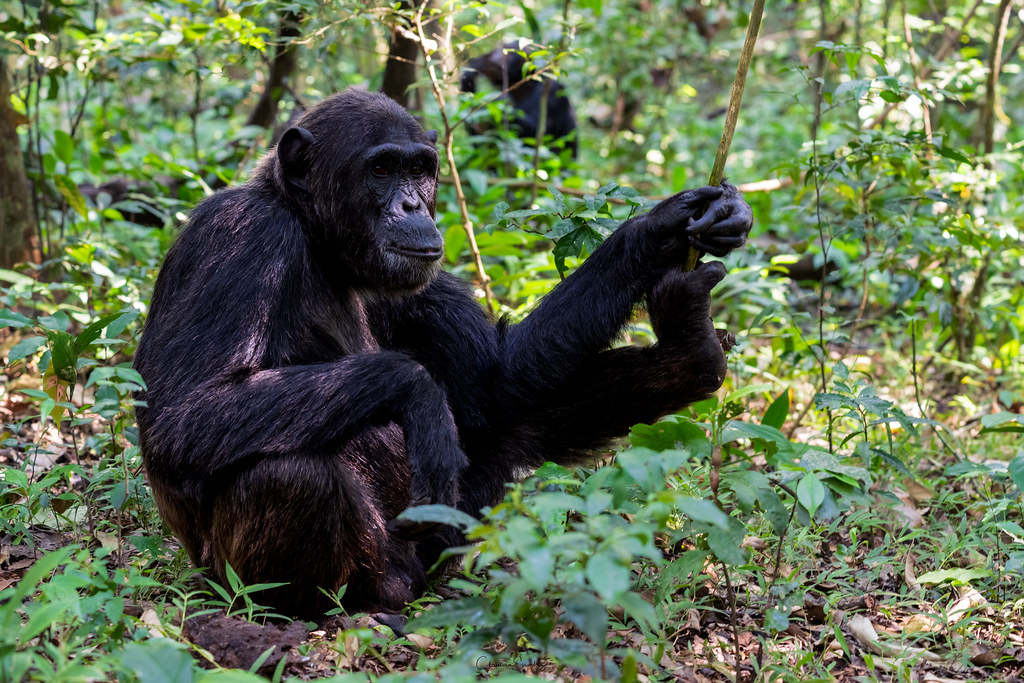
Chimpanzee Tracking in Mahale Mountains National Park: Tanzania’s Wildest Primate Safari Experience
Along the remote shores of Lake Tanganyika lies one of Africa’s most extraordinary safari destinations — Mahale Mountains National Park. Far from the busy safari circuits of northern Tanzania, Mahale offers a rare combination of untouched rainforest, dramatic mountains, crystal-clear lake beaches, and one of the world’s best opportunities to encounter wild chimpanzees in their natural environment.
For many travelers, chimpanzee tracking in Mahale becomes the most emotional and unforgettable wildlife experience of an African journey. Unlike traditional safaris where animals are viewed from vehicles across open plains, Mahale invites visitors to enter the rainforest on foot and follow the sounds of chimpanzees deep into the mountains.
The experience feels raw, authentic, and deeply immersive. One moment you are hiking through dense tropical forest listening to bird calls and rustling leaves, and the next you are standing only meters away from a family of wild chimpanzees grooming, feeding, playing, or communicating in ways that feel astonishingly human.
Mahale is not simply a safari destination. It is a true wilderness adventure designed for travelers seeking exclusivity, nature, and meaningful wildlife encounters far away from mass tourism.
Discovering Mahale Mountains National Park

Mahale Mountains National Park is located in western Tanzania near the border of the Democratic Republic of Congo. Stretching along the eastern shoreline of Lake Tanganyika, the park covers a vast area of forested mountains and lakeside wilderness.
What makes Mahale especially unique is its isolation. There are no roads connecting the park to the rest of Tanzania’s safari network. Visitors reach the area by aircraft and boat, which helps preserve its untouched atmosphere and low visitor numbers.
The landscape itself is breathtaking. Towering green mountains rise directly behind white sandy beaches while tropical rainforest blankets the slopes. Morning mist often hangs over the forest canopy, creating a mysterious atmosphere that perfectly suits the park’s wild character.
The combination of mountain scenery, rainforest ecosystems, and one of Africa’s largest freshwater lakes creates a setting unlike anywhere else in East Africa.
Why Mahale is Famous for Chimpanzee Tracking

Mahale Mountains National Park is internationally renowned for its population of eastern chimpanzees. The park protects hundreds of these endangered primates within its dense rainforest habitat.
The most visited chimpanzee community has been habituated to human presence over many years by researchers and conservationists. Habituation allows visitors to observe chimpanzees behaving naturally without causing them fear or stress.
Chimpanzees are humanity’s closest living relatives, sharing nearly 98 percent of human DNA. Observing them in the wild often feels remarkably emotional because their behavior resembles our own in so many ways.
Visitors commonly witness:
- Mothers caring for babies
- Grooming rituals among family members
- Playful young chimpanzees
- Territorial displays by dominant males
- Emotional facial expressions
- Intelligent communication within the group
Unlike zoo encounters or controlled wildlife attractions, the chimpanzees of Mahale remain completely wild. Their movements change daily, making every trek different and unpredictable.
This unpredictability is part of what makes Mahale so exciting.
The Chimpanzee Tracking Experience
A typical chimpanzee tracking day begins shortly after sunrise. Guides and park rangers first determine the likely location of the chimpanzee group based on vocal calls, feeding signs, nesting sites, and previous movement patterns.
Visitors then begin hiking through the forest trails accompanied by experienced guides who understand the terrain and chimpanzee behavior.
Tracking can sometimes be relatively short, while on other days visitors may walk for several hours before locating the chimpanzees. The rainforest environment constantly changes during the trek, moving from open pathways to dense vegetation and steep mountain slopes.
The first signs of chimpanzees usually come through sound. Loud pant-hoots echo through the forest while branches shake overhead. The excitement builds rapidly as guides quietly lead the group closer.
Eventually the chimpanzees appear among the trees or on the forest floor.
The official viewing period typically lasts one hour, but those sixty minutes often become one of the most powerful wildlife encounters travelers ever experience.
Watching chimpanzees interact socially in complete freedom creates a rare sense of connection between humans and wildlife.
What Makes Mahale Different from Traditional Safaris?

Mahale offers a completely different safari atmosphere compared to destinations such as the Serengeti or Ngorongoro Crater.
There are:
- No large safari crowds
- Very few vehicles
- No busy park roads
- No urban development inside the park
- Limited accommodation capacity
Instead, Mahale focuses on walking adventures, nature immersion, and intimate wildlife encounters.
The park appeals strongly to:
- Adventure travelers
- Wildlife photographers
- Nature lovers
- Honeymooners
- Repeat safari visitors
- Travelers seeking remote destinations
Because visitor numbers remain low, many guests describe Mahale as one of the last truly wild safari experiences in Africa.
Best Time to Visit Mahale for Chimpanzee Tracking
The dry season from June to October is generally regarded as the best period for chimpanzee tracking in Mahale Mountains National Park.
During these months:
- Trails become drier and easier to walk
- Forest visibility improves
- Chimpanzees often remain on lower mountain slopes
- Trekking conditions are more comfortable
- Lake Tanganyika weather is ideal for beach activities
August, September, and October are especially popular because chimpanzee sightings are often excellent during this period.
The green season between November and April transforms the rainforest into a lush tropical paradise. Although trekking can become more challenging because of rain and muddy trails, the scenery is spectacular and visitor numbers are lower.
Photographers often appreciate the dramatic rainforest atmosphere during the wet months.
Physical Fitness and Trekking Difficulty
Chimpanzee tracking in Mahale is considered moderately demanding and requires a reasonable level of fitness.
Treks may involve:
- Steep mountain climbs
- Slippery rainforest trails
- Humid weather conditions
- Uneven terrain
- Dense vegetation
Some treks are relatively easy, while others may require several hours of hiking before locating the chimpanzees.
Visitors do not need advanced hiking experience, but being physically prepared significantly improves the overall experience.
Good hiking boots, lightweight clothing, and hydration are essential.
Rules for Chimpanzee Tracking
Because chimpanzees are highly susceptible to human diseases, strict conservation rules are enforced during all trekking activities.
Visitors are expected to:
- Maintain a safe distance from chimpanzees
- Avoid loud noises
- Never feed wildlife
- Follow ranger instructions
- Refrain from trekking when sick
- Avoid flash photography
- Limit viewing time to one hour
These regulations help protect the chimpanzees while ensuring sustainable tourism within the park.
Responsible tourism plays a critical role in the conservation of Mahale’s fragile ecosystem.
Wildlife Beyond Chimpanzees
Although chimpanzees are the main attraction, Mahale Mountains National Park supports an impressive variety of wildlife species.
Other primates found in the park include:
- Red colobus monkeys
- Blue monkeys
- Yellow baboons
- Red-tailed monkeys
- Vervet monkeys
The forest ecosystem also supports:
- Leopards
- Bush pigs
- Small antelope
- Forest birds
- Butterflies
- Reptiles
Birdwatching opportunities are excellent due to the diversity of habitats ranging from mountain forest to lakeshore ecosystems.
Meanwhile, Lake Tanganyika itself contains remarkable aquatic biodiversity including colorful cichlid fish unique to the region.
Lake Tanganyika and Beach Experiences

One of Mahale’s most surprising features is its tropical beach atmosphere.
After a morning of trekking through rainforest mountains, visitors can relax beside the turquoise waters of Lake Tanganyika. The lake’s beaches are clean, peaceful, and incredibly scenic.
Popular activities include:
- Swimming
- Kayaking
- Fishing
- Snorkeling
- Boat excursions
- Sunset relaxation
The contrast between intense jungle trekking and lakeside tranquility gives Mahale a unique safari character rarely found elsewhere in Africa.
Accommodation in Mahale Mountains National Park
Accommodation in Mahale is intentionally limited in order to protect the park’s environment and maintain exclusivity.
Most lodges and camps are located directly on the shores of Lake Tanganyika and offer stunning views across the water toward the Congo mountains in the distance.
Accommodation styles range from:
- Luxury eco-lodges
- Mid-range tented camps
- Remote wilderness camps
Many properties focus strongly on sustainability and low environmental impact.
Guests often enjoy:
- Private beach access
- Personalized service
- Boat transportation
- Forest surroundings
- Exceptional privacy
The absence of crowds is one of Mahale’s greatest advantages.
Getting to Mahale Mountains National Park
Reaching Mahale is part of the adventure itself.
Most travelers access the park through:
- Scheduled bush flights from Arusha
- Charter flights from Dar es Salaam
- Flights to Kigoma followed by boat transfer
Because there are no direct road routes into the park, logistics require planning and coordination.
However, the effort involved in reaching Mahale is rewarded with one of the most exclusive wildlife destinations in East Africa.
Cost of Chimpanzee Tracking in Mahale
Chimpanzee tracking in Mahale is generally considered a premium safari experience because of the park’s remoteness and limited infrastructure.
Typical costs include:
- National park fees
- Chimpanzee tracking permits
- Accommodation
- Domestic flights
- Boat transfers
- Guiding services
Luxury fly-in safaris are the most common travel style for Mahale visitors.
Although Mahale is not usually considered a budget destination, travelers consistently describe the experience as worthwhile because of its uniqueness and exclusivity.
Mahale vs Gombe Stream National Park
Another famous chimpanzee destination in Tanzania is Gombe Stream National Park.
While both parks offer excellent chimpanzee encounters, they differ in atmosphere and accessibility.
Mahale is:
- Larger
- More remote
- Less crowded
- More scenic
- Better suited for longer stays
Gombe is:
- Easier to reach
- More affordable
- Suitable for shorter visits
- Historically associated with Jane Goodall’s research
Travelers seeking complete wilderness immersion often prefer Mahale, while Gombe appeals to visitors with limited time or tighter budgets.
Combining Mahale with Other Tanzania Safari Destinations
Many travelers combine Mahale chimpanzee tracking with classic wildlife safaris across Tanzania.
Popular safari combinations include:
- Serengeti National Park
- Ngorongoro Crater
- Ruaha National Park
- Nyerere National Park
- Katavi National Park
- Zanzibar
This creates a diverse safari itinerary combining big game viewing, remote wilderness experiences, and primate encounters.
Why Mahale is One of Africa’s Most Remarkable Safari Destinations

Chimpanzee tracking in Mahale Mountains National Park offers something increasingly rare in modern travel — genuine wilderness.
The journey into the rainforest, the anticipation of locating the chimpanzees, and the emotional intensity of observing them in the wild combine into an experience that feels both adventurous and deeply personal.
Mahale is not about crowded sightings or rushed itineraries. It is about slowing down, immersing yourself in nature, and experiencing one of Africa’s last untouched safari frontiers.
For travelers seeking more than a traditional safari, Mahale Mountains National Park stands among the continent’s most rewarding wildlife destinations.