
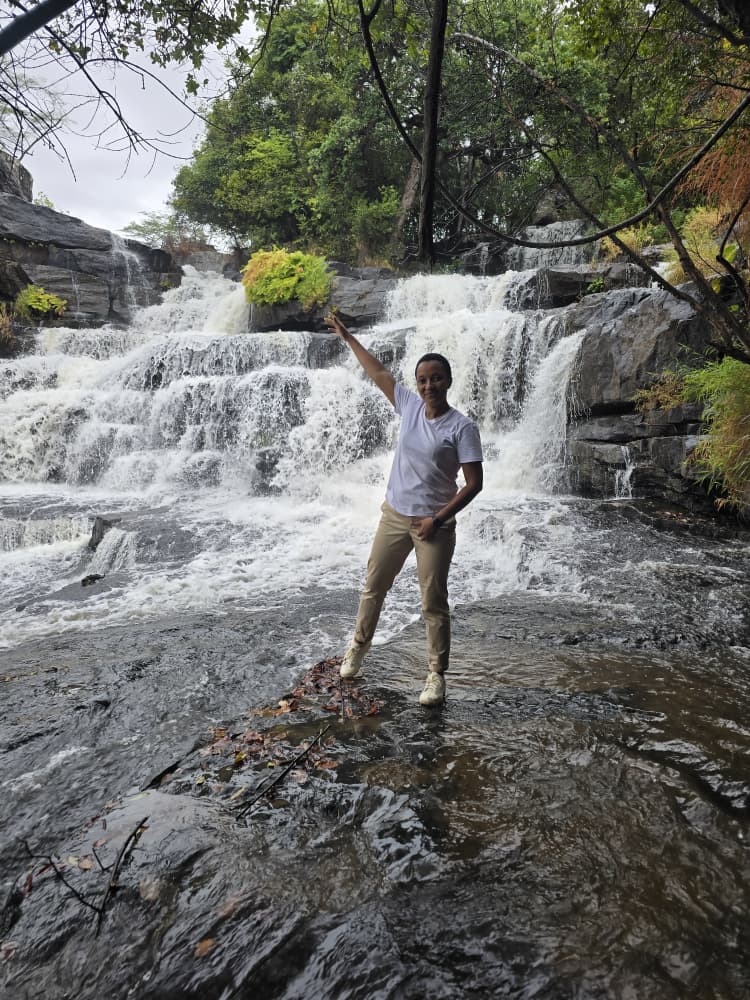
Tanzania Walking Safaris: The Ultimate Guide to Exploring Africa on Foot
Few safari experiences compare to the thrill of walking through the African wilderness. While traditional game drives remain popular, Tanzania walking safaris offer something far more immersive, personal, and unforgettable. Instead of watching wildlife from the safety of a safari vehicle, you experience nature at ground level — hearing every bird call, following fresh animal tracks, smelling wild herbs in the morning air, and understanding the bush in a completely different way.
Walking safaris in Tanzania are not just about seeing animals. They are about feeling connected to the landscape. They allow travelers to slow down and appreciate the details that are often missed during regular safaris: insects, plants, animal behavior, ecosystems, and traditional bush knowledge.
Tanzania is one of the best countries in Africa for walking safaris because of its vast protected wilderness, experienced guides, low tourist density in many parks, and incredible diversity of landscapes. From the baobab-studded plains of Tarangire to the remote wilderness of Ruaha and the volcanic highlands of Ngorongoro, Tanzania provides extraordinary opportunities for guided bush walks and multi-day walking adventures.
This guide covers everything you need to know about Tanzania walking safaris, including the best destinations, what to expect, safety, packing tips, costs, and why walking safaris are becoming one of Africa’s most sought-after safari experiences.
What Is a Walking Safari?
A walking safari is a guided safari experience conducted on foot inside or near wildlife areas. Unlike normal safaris that rely entirely on vehicles, walking safaris focus on exploring the bush slowly and carefully with professional guides and armed park rangers.
The goal is not simply to see large animals. Walking safaris emphasize understanding the ecosystem as a whole.
During a walking safari, guides may explain:
- Animal tracks and footprints
- Predator behavior
- Bird calls
- Medicinal plants
- Insects and ecology
- Survival techniques
- Traditional bush skills
- Animal feeding habits
Walking safaris range from short one-hour nature walks to multi-day wilderness expeditions with fly camping in remote areas.
Why Tanzania Is One of Africa’s Best Walking Safari Destinations
Vast Protected Wilderness
Tanzania has some of the largest wildlife conservation areas in Africa. Huge wilderness regions mean travelers can enjoy remote walking experiences far from crowds and busy safari circuits.
The country is home to world-famous safari destinations including:
- Serengeti National Park
- Tarangire National Park
- Ruaha National Park
- Nyerere National Park
- Ngorongoro Conservation Area
- Arusha National Park
Many of these parks now allow professionally guided walking safaris.
Exceptional Wildlife
Walking safaris in Tanzania provide opportunities to encounter:
- Elephants
- Giraffes
- Buffalo
- Zebras
- Wildebeest
- Antelope species
- Hippos
- Crocodiles
- Birds
- Predators from safe distances
Unlike vehicle safaris, walking allows guests to understand how animals interact with their environment.
Expert Safari Guides
Tanzania has some of Africa’s most experienced walking safari guides. These professionals undergo rigorous training in:
- Wildlife behavior
- Bush safety
- Ecology
- Tracking
- First aid
- Firearm handling
A good walking guide transforms the bush into a living classroom.
Incredible Diversity of Landscapes
One reason Tanzania stands out is its range of scenery.
Walking safaris can take place in:
- Savannah plains
- Acacia woodlands
- Baobab forests
- River valleys
- Volcanic craters
- Mountain forests
- Highland grasslands
This diversity creates unique walking experiences across different regions.
The Best Places for Walking Safaris in Tanzania
Tarangire National Park Walking Safaris
Tarangire National Park is widely regarded as one of the best walking safari destinations in northern Tanzania.
The park is famous for:
- Giant baobab trees
- Massive elephant herds
- Seasonal wildlife concentrations
- Beautiful landscapes
- Quiet safari atmosphere
Unlike the Serengeti, Tarangire often feels less crowded, making it ideal for immersive walking experiences.
Why Tarangire Is Perfect for Walking Safaris
The terrain in Tarangire is excellent for walking because:
- Visibility is often good
- Dry riverbeds make tracking easier
- Wildlife densities are high
- Vegetation is varied
- Landscapes are dramatic
Walking safaris here often focus on elephants, ecology, and tracking.
Wildlife Seen During Tarangire Walking Safaris
Guests commonly encounter:
- Elephants
- Giraffes
- Warthogs
- Zebras
- Impalas
- Waterbucks
- Ostriches
- Buffalo
Birdlife is exceptional, particularly during the green season.
Best Time to Visit Tarangire
The dry season from June to October is ideal because wildlife gathers around the Tarangire River.
During this period:
- Animal sightings improve
- Grass becomes shorter
- Wildlife is easier to track
- Temperatures are comfortable
Arusha National Park Walking Safaris
Arusha National Park is one of Tanzania’s most accessible parks for walking safaris and an excellent choice for first-time safari travelers.
Located close to Arusha city and Kilimanjaro International Airport, the park offers beautiful scenery and safe guided walks.
Why Arusha National Park Is Ideal for Beginners
Unlike parks dominated by dangerous predators, Arusha National Park provides gentler walking experiences.
Highlights include:
- Walking with giraffes nearby
- Scenic forest trails
- Waterfalls
- Crater lakes
- Mount Meru views
Wildlife Commonly Seen
- Giraffes
- Zebras
- Buffalo
- Colobus monkeys
- Blue monkeys
- Flamingos
- Waterbucks
Walking here focuses heavily on scenery and photography.
Canoe and Walking Safari Combination
Arusha National Park also offers canoe safaris on the Momella Lakes, making it easy to combine walking and water-based experiences.
Ngorongoro Highlands Walking Safaris
Ngorongoro Conservation Area provides one of Tanzania’s most scenic walking safari experiences.
Unlike classic wildlife-focused bush walks, Ngorongoro walking safaris emphasize:
- Highland trekking
- Volcanoes
- Maasai culture
- Crater landscapes
- Scenic hiking
Popular Walking Areas
Empakaai Crater
This volcanic crater features:
- Dense forests
- Flamingo-filled crater lake
- Scenic trails
- Spectacular viewpoints
Olmoti Crater
Olmoti offers easier hiking with beautiful waterfalls and open highland scenery.
Ngorongoro Highlands Trekking
Multi-day trekking routes through the highlands provide opportunities to:
- Visit Maasai villages
- Camp in remote areas
- Hike volcanic landscapes
- Experience authentic rural Tanzania
Ruaha National Park Walking Safaris
Ruaha National Park is Tanzania’s wild frontier.
Remote, rugged, and untamed, Ruaha offers some of Africa’s most authentic walking safari experiences.
Why Ruaha Is Special
Ruaha is famous for:
- Huge predator populations
- Massive elephant herds
- Ancient baobabs
- Remote wilderness
- Very low tourist numbers
Walking safaris here feel adventurous and genuinely wild.
What Makes Ruaha Different
Unlike busier parks, Ruaha allows visitors to feel isolated in nature.
You may walk for hours without seeing another vehicle.
This creates:
- Better wilderness immersion
- Superior birdwatching
- Excellent photography
- Authentic safari atmosphere
Wildlife in Ruaha
Common sightings include:
- Elephants
- Lions
- Greater kudu
- Buffalo
- Giraffes
- Hyenas
- Antelope species
Experienced guides help guests interpret animal signs and behavior.
Nyerere National Park Walking Safaris
Nyerere National Park, formerly part of the Selous Game Reserve, is one of Africa’s classic walking safari destinations.
This enormous wilderness area is ideal for travelers seeking remote safari experiences.
Why Nyerere Is Perfect for Walking Safaris
The park combines:
- River systems
- Open plains
- Palm forests
- Lakes
- Remote bush camps
Walking safaris here are often paired with boat safaris along the Rufiji River.
Typical Walking Safari Experiences
Guests may explore:
- Riverbanks
- Hippo pools
- Crocodile habitats
- Savannah plains
- Forested areas
The combination of water and wilderness makes Nyerere unique.
Serengeti Walking Safaris
Serengeti National Park is best known for traditional game drives and the Great Migration, but specialist operators also offer incredible walking safaris in designated areas.
What Makes Serengeti Walking Unique
Walking through the Serengeti changes your understanding of the ecosystem.
Instead of focusing only on large wildlife, guides explain:
- Migration patterns
- Predator-prey relationships
- Animal movement
- Grassland ecology
- Tracking techniques
Multi-Day Mobile Walking Safaris
Some operators provide multi-day walking expeditions involving:
- Fly camping
- Mobile camps
- Remote wilderness routes
- Seasonal migration tracking
These safaris are among Africa’s most exclusive adventures.
What Happens During a Tanzania Walking Safari?
Early Morning Start
Most walking safaris begin shortly after sunrise when temperatures are cooler and wildlife is more active.
Safety Briefing
Before entering the bush, guides explain:
- Walking formations
- Communication signals
- Animal safety rules
- Emergency procedures
Guests are expected to follow instructions carefully.
Walking Through the Bush
The pace is usually slow and relaxed.
Guides stop frequently to explain:
- Animal tracks
- Droppings
- Feeding signs
- Plants
- Insects
- Bird calls
Wildlife Encounters
Encounters feel far more intense on foot than in vehicles.
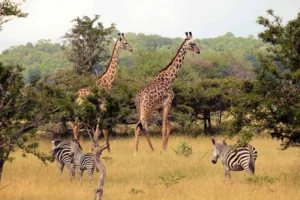
Even seeing giraffes or zebras nearby can be thrilling.
Guides maintain safe distances from dangerous animals.
Bush Breakfast or Sundowner
Many walks end with:
- Bush coffee
- Breakfast in the wilderness
- Scenic sundowners
- Picnic lunches
These moments often become safari highlights.
Is a Tanzania Walking Safari Safe?
Yes. Walking safaris in Tanzania are generally very safe when conducted by professional guides and park rangers.
Safety protocols are extremely strict.
Professional Guides
Guides are trained to:
- Read animal behavior
- Avoid dangerous situations
- Maintain safe distances
- Manage emergencies
Armed Rangers
In many parks, armed rangers accompany walking groups for additional safety.
Guest Responsibilities
Guests must:
- Listen carefully
- Walk quietly
- Stay with the group
- Avoid sudden movements
Following guide instructions is essential.
Best Time for Tanzania Walking Safaris
Dry Season (June to October)
This is the best overall season for walking safaris.
Advantages include:
- Better wildlife visibility
- Easier tracking
- Cooler temperatures
- Less vegetation
- Concentrated wildlife near water
Green Season (November to March)
The green season offers:
- Beautiful scenery
- Migratory birds
- Excellent photography
- Fewer tourists
However, vegetation becomes thicker.
Rainy Season (April to May)
Heavy rains can affect walking conditions in some parks, although some areas remain accessible.
What to Pack for a Tanzania Walking Safari
Packing correctly improves comfort and safety.
Clothing
Bring:
- Neutral-colored clothing
- Long sleeves
- Lightweight trousers
- Comfortable hiking boots
- Wide-brim hat
Avoid bright colors and camouflage clothing.
Essential Gear
Recommended items include:
- Binoculars
- Camera
- Sunscreen
- Sunglasses
- Water bottle
- Insect repellent
- Small backpack
Footwear
Good walking shoes are extremely important.
Choose:
- Comfortable hiking boots
- Lightweight trail shoes
- Breathable footwear
Avoid brand-new shoes that may cause blisters.
Luxury Walking Safaris in Tanzania
Tanzania offers world-class luxury walking safari experiences.
Many luxury camps specialize in:
- Multi-day walking safaris
- Fly camping
- Exclusive wilderness access
- Private guides
- Personalized itineraries
What Is Fly Camping?
Fly camping involves lightweight mobile camps deep in the wilderness.
Guests sleep in simple but comfortable tents surrounded by nature.
The experience is:
- Authentic
- Adventurous
- Romantic
- Highly immersive
Many travelers consider fly camping the ultimate safari experience.
Tanzania Walking Safari Costs
Prices vary significantly depending on:
- Destination
- Accommodation level
- Safari duration
- Group size
- Internal flights
Estimated Costs
Short Bush Walks
- $50–$150 per person
Half-Day Walking Safaris
- $100–$250 per person
Multi-Day Walking Safaris
- $300–$900+ per person per day
Luxury Walking Expeditions
- $1,000+ per person per day
Luxury fly-in safaris are the most expensive option.
Walking Safari vs Traditional Game Drive
| Feature | Walking Safari | Vehicle Safari |
|---|---|---|
| Experience | Immersive | Comfortable |
| Pace | Slow | Faster |
| Wildlife Focus | Ecology & tracking | Big game |
| Adventure Level | High | Moderate |
| Photography | Nature details | Wildlife close-ups |
| Learning Experience | Excellent | Moderate |
| Accessibility | Moderate fitness needed | Easier for all travelers |
Most travelers combine both experiences for a complete safari.
Who Should Choose a Walking Safari?
Walking safaris are ideal for:
- Adventure travelers
- Repeat safari visitors
- Birdwatchers
- Nature lovers
- Photographers
- Couples
- Active travelers
They are particularly rewarding for travelers who want more than simply spotting animals from a vehicle.
Photography During Walking Safaris
Walking safaris create unique photography opportunities.
Great Subjects Include
- Animal tracks
- Landscapes
- Birds
- Insects
- Plants
- Sunrise light
- Bush textures
Photography Tips
- Carry lightweight gear
- Use silent camera mode
- Keep equipment protected from dust
- Listen to guide instructions
Walking photography often feels more creative and intimate than vehicle photography.
Cultural Experiences During Walking Safaris
Some walking safaris include cultural interactions with local communities, especially Maasai communities in northern Tanzania.
Experiences may include:
- Village visits
- Traditional dances
- Local storytelling
- Herding demonstrations
- Traditional medicine knowledge
These encounters add cultural depth to safari itineraries.
Combining Walking Safaris With Other Tanzania Experiences
Walking safaris combine perfectly with:
Traditional Game Drives
The most common safari combination.
Zanzibar Beach Holidays
After days in the bush, relaxing on Zanzibar’s beaches is ideal.
Zanzibar offers:
- White sand beaches
- Snorkeling
- Diving
- Luxury resorts
Mount Kilimanjaro Trekking
Adventure travelers often combine walking safaris with:
Mount Kilimanjaro climbs.
Self-Drive Safaris
Walking safaris work well alongside self-drive adventures in northern Tanzania.
Eco-Tourism and Conservation Benefits
Walking safaris promote low-impact tourism.
Benefits include:
- Smaller groups
- Reduced vehicle usage
- Increased environmental awareness
- Support for local conservation
Many safari camps also support:
- Local employment
- Anti-poaching efforts
- Community projects
- Wildlife protection programs
Responsible walking tourism helps preserve Tanzania’s wilderness.
Tips for First-Time Walking Safari Travelers
Listen to Your Guide
Guides are highly trained professionals.
Walk Quietly
Silence improves wildlife encounters.
Stay Alert
Observe your surroundings carefully.
Pack Light
Carry only essentials.
Respect Wildlife
Never approach animals independently.
Why Walking Safaris Feel More Emotional
Many travelers describe walking safaris as life-changing experiences.
Why?
Because walking reconnects people with nature in a primal way.
You hear every sound.
You notice every movement.
You become aware of wind direction, animal behavior, and the rhythm of the bush.
The experience feels deeply authentic.
Unlike vehicle safaris where travelers remain observers, walking safaris create participation in the wilderness itself.
Final Thoughts on Tanzania Walking Safaris
Tanzania walking safaris offer one of Africa’s most rewarding wildlife experiences. They combine adventure, education, photography, conservation, and genuine wilderness immersion.
Whether you are exploring the elephant-filled plains of Tarangire National Park, trekking through the volcanic landscapes of Ngorongoro Conservation Area, or walking the remote wilderness of Ruaha National Park, every step reveals a deeper connection to Africa.
For travelers seeking more than a standard safari, walking safaris provide a richer understanding of Tanzania’s landscapes, wildlife, and culture.
If you truly want to feel Africa rather than simply see it, a Tanzania walking safari may become the highlight of your entire journey.