
Mistakes to Avoid on a Tanzania Safari (First-Time Traveler’s Complete Guide)
Planning your first safari in Tanzania is one of the most exciting travel decisions you can make. From the endless plains of the Serengeti National Park to the dramatic wildlife density of the Ngorongoro Crater and the elephant-rich landscapes of Tarangire National Park, Tanzania offers one of the most unforgettable safari experiences in Africa.
But here’s the truth most first-time travelers don’t realize:
A Tanzania safari is not difficult—but it is easy to get wrong.
Small planning mistakes can affect your comfort, wildlife sightings, budget, and even your safety. This guide breaks down the most important mistakes to avoid, while also showing you how to plan a smooth, unforgettable safari experience.
Whether you’re booking a luxury lodge safari or a budget camping adventure, this article will help you do it right the first time.
Why First-Time Safari Planning Matters More Than You Think
Unlike a normal holiday, a safari in Tanzania is:
- Remote
- Logistically complex
- Weather-dependent
- Wildlife-driven (not scheduled entertainment)
That means your decisions before arrival—route, timing, operator, packing—directly shape your experience.
Many travelers arrive expecting a “drive-through zoo.” Instead, they find a vast wilderness where timing, patience, and knowledge matter.
Let’s fix that before it happens.
1. Underestimating Distances Between Parks
One of the most common mistakes first-time visitors make in Tanzania is assuming the parks are close together.
They are not.
The mistake:
Trying to fit too many destinations into too few days:
- Serengeti + Ngorongoro + Tarangire in 3–4 days
- Adding Zanzibar on top of a rushed safari
- Long driving days every single day
Why it’s a problem:
Tanzania’s national parks are massive, and travel is slow due to:
- Rough terrain
- Wildlife crossings
- Limited road infrastructure
The better approach:
- 5–7 days minimum for northern circuit safaris
- Focus on fewer parks
- Spend more time inside each park
👉 Example itinerary that works:
- Day 1–2: Tarangire National Park
- Day 3–4: Ngorongoro Crater
- Day 5–7: Serengeti National Park
This creates a balanced and enjoyable safari rhythm.
2. Booking Without Understanding the Seasons
Wildlife in Tanzania moves with the seasons. If you don’t plan around that, you may miss key experiences.
The mistake:
Booking dates without considering migration patterns or weather.
Tanzania safari seasons explained:
Dry Season (June–October)
- Best overall wildlife viewing
- Animals gather around water sources
- Clear skies and easier game drives
Green Season (November–May)
- Lush landscapes
- Fewer tourists
- Great photography opportunities
Calving Season (January–March)
- Located in southern Serengeti
- Thousands of wildebeest births daily
- High predator action (lions, cheetahs)
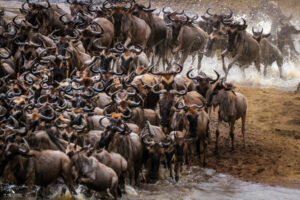
Migration River Crossings (July–October)
- Northern Serengeti National Park
- Dramatic Mara River crossings
The fix:
Match your safari goals to the season—not just your vacation dates.
3. Choosing the Wrong Safari Route
Not all safari routes are equal.
The mistake:
Copying random itineraries online or booking the cheapest route.
Why it matters:
A poorly planned route leads to:
- Excessive driving
- Missed wildlife zones
- Lower safari quality
The ideal northern circuit route:
Most first-timers should stick to:
- Tarangire National Park (elephants & baobabs)
- Ngorongoro Crater (dense wildlife in one day)
- Serengeti National Park (endless plains & migration)
This is the most efficient and rewarding safari loop.
4. Staying in the Wrong Location Inside Parks
Where you sleep matters as much as where you go.
The mistake:
Booking accommodation far from wildlife activity just because it’s cheaper or looks luxurious.
Why it matters:
In places like the Serengeti National Park:
- Wildlife moves seasonally
- Location determines game drive duration
- Early morning sightings depend on proximity
The fix:
Choose lodges or camps based on:
- Migration location (seasonal)
- Park sector (central, north, south)
- Distance from game drive routes
5. Overpacking or Packing the Wrong Items
Safari packing is simple—but very specific.
The mistake:
- Bright clothing
- Hard suitcases
- Overpacking unnecessary outfits
What you actually need:
- Neutral colors (khaki, beige, olive)
- Light layers (cold mornings, hot afternoons)
- Soft duffel bag
- Comfortable walking shoes
- Hat + sunglasses
Bonus essentials:
- Binoculars (very important)
- Power bank
- Sunscreen
- Insect repellent
6. Expecting Constant Animal Sightings
This is one of the biggest mindset mistakes.
The mistake:
Thinking wildlife is guaranteed every hour.
Reality:
Safari is unpredictable:
- Animals move freely
- Sightings depend on luck, timing, and guides
- Some drives are quiet—but still meaningful
The fix:
Shift your mindset:
- Don’t chase quantity of animals
- Focus on behavior, landscapes, and moments
A lion sleeping under an acacia tree can be just as powerful as a chase scene.
7. Ignoring the Value of a Good Guide
Your safari guide is the difference between average and exceptional.
The mistake:
Choosing price over experience.
Why guides matter:
A skilled guide can:
- Track animal movements
- Read animal behavior
- Communicate with other guides
- Position the vehicle perfectly
The fix:
Always prioritize:
- Experience in Tanzanian parks
- Language skills
- Wildlife knowledge
- Reviews from past travelers
8. Not Budgeting for Hidden Costs
Safari pricing can be misleading.
The mistake:
Only budgeting for the package price.
Hidden costs include:
- Park entry fees
- Tips for guides and lodge staff
- Drinks (often not included)
- Optional activities (balloon safari, cultural visits)
- Flights between parks or to Zanzibar
The fix:
Always add a 10–20% buffer to your total budget.
9. Skipping Travel Insurance
Many first-time travelers ignore this completely.
The mistake:
Traveling without insurance.
Why it matters in Tanzania:
- Remote locations
- Limited medical facilities inside parks
- Emergency evacuation may be required
The fix:
Choose insurance that covers:
- Medical emergencies
- Safari evacuation
- Trip cancellations
- Lost luggage
10. Attempting Self-Drive Without Experience
Self-driving in Tanzania sounds adventurous—but it’s not for everyone.
The mistake:
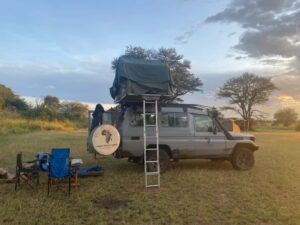
Renting a 4×4 without off-road experience.
Challenges include:
- Unmarked roads in parks
- Wildlife encounters on tracks
- Navigation difficulties
- Sand, mud, and river crossings
The fix:
For first-timers:
- Use a professional driver-guide
- Focus on enjoying wildlife, not driving stress
11. Not Preparing for Health Requirements
Safari environments are remote and tropical.
The mistake:
Arriving unprepared medically.
Common issues:
- Dehydration
- Mosquito exposure
- Sunburn
The fix:
- Consult a travel clinic before arrival
- Consider malaria prophylaxis
- Carry personal medications
- Drink bottled or filtered water
12. Rushing the Safari Experience
This is the emotional mistake many travelers regret.
The mistake:
Trying to “see everything” in a short time.
Why it doesn’t work:
Safari is not a checklist experience.
The fix:
Slow down:
- Spend more time in fewer locations
- Enjoy sunrise and sunset drives
- Observe animal behavior, not just sightings
13. Not Carrying the Right Gear
Even small items make a big difference.
Essential safari gear:
- Binoculars
- Camera with zoom lens
- Extra batteries
- Day backpack
- Light jacket
Optional but useful:
- Field guidebook
- Notebook or journal
14. Ignoring Photography Basics
Tanzania is one of the most photogenic destinations in the world—but many travelers miss great shots.
The mistake:
Using phone cameras only or shooting incorrectly.
The fix:
- Use zoom (animals are rarely close)
- Shoot early morning or late afternoon
- Keep camera ready at all times
15. Not Booking Early Enough
Tanzania safaris sell out quickly, especially during peak seasons.
The mistake:
Last-minute booking.
The risk:
- Limited lodge availability
- Higher prices
- Less optimal routes
The fix:
Book at least:
- 6–10 months in advance for peak season
- 3–6 months for low season
Final Thoughts: How to Get Your First Safari Right
A safari in Tanzania is not just a trip—it’s a once-in-a-lifetime experience. From the endless plains of the Serengeti National Park to the breathtaking wildlife density of the Ngorongoro Crater and the elephant-filled valleys of Tarangire National Park, every moment is shaped by preparation.
Avoiding the mistakes in this guide ensures:
- Better wildlife sightings
- Smoother travel logistics
- Safer experiences
- Higher value for your money
Most importantly, it ensures you experience Africa the way it is meant to be experienced: slow, wild, and unforgettable.
Ready to Plan Your Tanzania Safari?
If you are planning your first safari, the right guidance makes all the difference.
We can help you design:
- Private safaris
- Budget camping safaris
- Luxury lodge experiences
- Custom itineraries across Tanzania
👉 Start planning your journey today and turn your first safari into a lifetime memory.