
15 Days Tanzania’s Hidden Safari Circuit: Where Africa Still Feels Wild
When people dream about a Tanzanian safari, names like Serengeti and Ngorongoro instantly come to mind. These iconic destinations have earned their reputation for spectacular wildlife, dramatic landscapes, and unforgettable experiences. Yet beyond the famous northern safari circuit lies another Tanzania—one that remains largely untouched, wonderfully quiet, and astonishingly wild.
This is a Tanzania where you can spend an entire day exploring a national park without encountering another safari vehicle. A place where lions roam ancient baobab forests, where chimpanzees call from misty mountain forests, and where crystal-clear waters lap against remote sandy beaches on the shores of Africa’s deepest lake. Here, nature still follows its own rhythm, undisturbed by crowds.
For travelers seeking authenticity, adventure, and a deeper connection with Africa, the country’s southern and western safari circuit offers an experience unlike any other. It is a journey into vast wilderness areas where wildlife is abundant, landscapes are breathtaking, and every encounter feels personal.
This carefully designed 15-day itinerary combines five of Tanzania’s most remarkable yet least-visited protected areas:
- Mikumi National Park
- Udzungwa Mountains National Park
- Ruaha National Park
- Katavi National Park
- Mahale Mountains National Park
Together, these destinations showcase an incredible diversity of ecosystems—from open savannahs and baobab woodlands to tropical rainforests and the sparkling shores of Lake Tanganyika. Along the way, you’ll enjoy traditional game drives, guided walking safaris, waterfall hikes, chimpanzee trekking, boating adventures, and peaceful evenings under some of Africa’s clearest night skies.
Whether you’re a seasoned safari enthusiast or planning your first African adventure, this journey promises memories that will last a lifetime.
Why Choose a Less-Visited Tanzania Safari?
One of the greatest luxuries in modern travel is space. While many of Africa’s famous parks attract hundreds of safari vehicles each day during peak season, Tanzania’s southern and western parks remain refreshingly uncrowded.
Imagine stopping beside a pride of lions and having the entire sighting to yourself. Picture watching elephants drinking at a river while the only sounds are birdsong and the rustling wind. Envision spending hours immersed in nature without another vehicle appearing on the horizon.
This is exactly what makes Tanzania’s hidden safari circuit so special.
Unlike heavily visited destinations, these parks offer a genuine sense of exploration. Every bend in the road feels like a new discovery, and every wildlife encounter feels more intimate because you’re not sharing it with dozens of other visitors.
The wildlife density is equally impressive. Ruaha boasts one of East Africa’s largest lion populations. Katavi is famous for enormous buffalo herds and dramatic dry-season concentrations of hippos and crocodiles. Mahale offers one of the world’s finest opportunities to observe wild chimpanzees in their natural habitat, while Udzungwa introduces visitors to a completely different side of Tanzania through lush mountain forests and spectacular waterfalls.
For photographers, these parks are a dream. The absence of crowds allows guides to position vehicles perfectly for the best light, giving guests time to appreciate and capture extraordinary wildlife moments without feeling rushed.
The Route at a Glance
This journey begins in Dar es Salaam before traveling westward into Tanzania’s hidden natural treasures.
Day 1: Arrival in Dar es Salaam
Days 2–3: Mikumi National Park
Days 4–5: Udzungwa Mountains National Park
Days 6–8: Ruaha National Park
Days 9–10: Katavi National Park
Days 11–13: Mahale Mountains National Park
Day 14: Return to Dar es Salaam
Day 15: Departure
By combining scenic road journeys with carefully planned bush flights, this itinerary minimizes travel fatigue while maximizing your time in each destination.
Day 1 – Welcome to Tanzania
Your adventure begins in the vibrant coastal city of Dar es Salaam, Tanzania’s commercial capital and gateway to the country’s extraordinary wilderness.
Upon arrival at Julius Nyerere International Airport, you’ll be met by your safari representative and transferred to your hotel. Depending on your arrival time, you may wish to explore the city’s lively waterfront, colorful markets, or sample delicious Swahili cuisine at one of the local restaurants overlooking the Indian Ocean.
Dar es Salaam perfectly reflects Tanzania’s rich cultural heritage. Influences from Africa, Arabia, India, and Europe blend together in its architecture, cuisine, and daily life.
A leisurely evening allows time to recover from your international flight while preparing for the exciting safari ahead.
If time permits, visit the National Museum, stroll along Coco Beach, or enjoy fresh seafood as the sun sets over the Indian Ocean.
Tomorrow, the wilderness awaits.
Day 2 – Journey to Mikumi National Park
After breakfast, depart Dar es Salaam on one of Tanzania’s most scenic road journeys.
The route follows the historic Tanzania-Zambia Highway, winding through rolling hills, fertile farmland, bustling villages, and dramatic mountain scenery. Along the way, roadside markets display colorful tropical fruits, handcrafted goods, and vibrant local culture.
After approximately six to seven hours, you arrive at Mikumi National Park.
Often overshadowed by the famous Serengeti, Mikumi is one of Tanzania’s hidden gems. Covering more than 3,200 square kilometers, the park forms part of the vast Selous ecosystem and supports an impressive variety of wildlife.
The expansive Mkata Floodplain immediately captures visitors’ attention. Stretching across the heart of the park, these open grasslands resemble the Serengeti and provide excellent wildlife viewing throughout the year.
Your first afternoon game drive introduces you to Tanzania’s remarkable biodiversity.
Towering giraffes browse acacia trees while zebras and wildebeests graze across endless plains. Herds of buffalo gather near waterholes as elephants quietly move through the woodland searching for food.
Predators are never far away. Lions often rest beneath isolated trees during the hottest part of the day before becoming active in the cooler evening hours. Lucky visitors may even spot the elusive leopard draped elegantly across a tree branch.
Bird enthusiasts will quickly discover why Mikumi is considered one of Tanzania’s finest birding destinations. More than 400 recorded bird species inhabit the park, ranging from colorful lilac-breasted rollers and bee-eaters to majestic fish eagles soaring overhead.
As sunset paints the sky in brilliant shades of orange and crimson, your first safari day comes to a close.
Dinner is served at your lodge while the sounds of the African bush create an unforgettable soundtrack to the evening.
Day 3 – Full-Day Safari in Mikumi National Park
The day begins before sunrise.
Early mornings are among the most rewarding times to explore the African wilderness. Temperatures are cooler, predators remain active, and soft golden light creates perfect conditions for photography.
After enjoying fresh coffee and a light breakfast, you’ll head out on a full-day game drive across Mikumi’s diverse landscapes.
The Mkata Floodplain is particularly productive during the morning hours. Herds of impalas and zebras gather in large numbers, attracting lions that patiently watch from the surrounding grasses. Hyenas patrol the plains in search of easy meals, while jackals trot purposefully through the bush.
One of Mikumi’s highlights is the famous hippo pool. Here, dozens of hippos spend their days submerged in cool water, occasionally surfacing with dramatic yawns that reveal enormous tusks. Nile crocodiles bask lazily along the muddy banks, waiting patiently for unsuspecting prey.
As the day progresses, your experienced guide will explore different habitats, each supporting its own unique wildlife community. Dense miombo woodlands shelter elephants, while open savannahs provide ideal grazing grounds for antelope species including eland, hartebeest, and sable antelope.
A picnic lunch enjoyed in a designated safari area offers an opportunity to relax while taking in spectacular views of the surrounding landscape.
By late afternoon, you’ll return to your lodge with countless photographs, unforgettable memories, and growing anticipation for the next stage of your adventure—Tanzania’s enchanting Eastern Arc Mountains.
Day 4 – Into the Rainforest: Journey to Udzungwa Mountains National Park
After breakfast, you leave behind the open savannahs of Mikumi and head towards one of Tanzania’s most extraordinary yet underrated national parks—Udzungwa Mountains National Park.
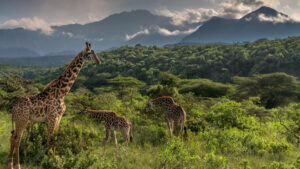
The drive takes only two to three hours, but the scenery changes dramatically. Vast grasslands gradually give way to lush tropical forests, rolling hills, tea plantations, and towering mountain peaks. You are entering the famous Eastern Arc Mountains, a chain of ancient forests considered one of the world’s most important biodiversity hotspots.
Unlike most of Tanzania’s national parks, Udzungwa offers very few traditional game drives. Instead, it invites visitors to explore on foot, making it one of the country’s finest destinations for hiking, birdwatching, and discovering unique wildlife hidden beneath a dense rainforest canopy.
Established in 1992, Udzungwa National Park protects almost 2,000 square kilometers of pristine montane forest. Scientists often compare its biodiversity to that of the Galápagos Islands because of its remarkable number of endemic plants and animals found nowhere else on Earth.
After checking into your lodge, spend the afternoon settling into the peaceful surroundings. Many accommodations are located on the edge of the forest, where monkeys frequently visit the gardens and colorful birds fill the air with song.
A short guided nature walk introduces you to the park’s rich ecosystem. Towering mahogany trees rise high above the forest floor, while giant ferns, orchids, mosses, and climbing vines create a magical atmosphere that feels worlds away from the dry plains of Mikumi.
Your guide will explain how these forests provide vital water sources for millions of Tanzanians while protecting hundreds of rare plant and animal species.
As evening falls, enjoy dinner surrounded by the sounds of the rainforest. Unlike the distant roars of lions heard in the savannah, tonight’s soundtrack consists of chirping insects, croaking frogs, and the occasional call of nocturnal primates hidden among the trees.
Tomorrow promises one of the most rewarding hikes in East Africa.
Day 5 – Hiking to the Spectacular Sanje Waterfalls
Today is one of the most active and memorable days of your safari.
After an early breakfast, you’ll begin the famous Sanje Waterfalls Trail, a guided hike that combines breathtaking scenery with exceptional wildlife viewing.
The trail winds gently through dense tropical rainforest where shafts of sunlight filter through the towering canopy. Every turn reveals new botanical wonders—from giant tree ferns and ancient fig trees to brightly colored fungi thriving in the moist forest environment.
One of Udzungwa’s greatest treasures is its incredible primate diversity.
The park is home to eleven different primate species, making it one of Africa’s richest destinations for monkey enthusiasts.
With luck, you may encounter:
- Iringa red colobus monkeys
- Sanje mangabeys
- Blue monkeys
- Black-and-white colobus monkeys
- Yellow baboons
Among these, the Sanje mangabey is especially remarkable. This endangered monkey exists nowhere else on Earth except Udzungwa, making every sighting incredibly special.
Bird lovers are equally rewarded. More than 400 bird species inhabit these forests, including several found only within the Eastern Arc Mountains.
As the trail climbs higher, the sound of rushing water grows louder.
Suddenly, the forest opens to reveal the magnificent Sanje Waterfalls.
Dropping approximately 170 meters in three spectacular cascades, Sanje is among Tanzania’s most beautiful waterfalls. Crystal-clear water tumbles over rocky cliffs before collecting in natural pools surrounded by lush vegetation.
The panoramic viewpoint offers breathtaking vistas stretching across Kilombero Valley, where endless green plains disappear into the distant horizon.
Many visitors choose to cool off with a refreshing swim in the lower pools before enjoying a packed picnic lunch amidst this stunning natural setting.
After spending time relaxing and taking photographs, you’ll descend back through the forest while continuing to search for wildlife hidden among the trees.
The hike usually takes between five and six hours, making it moderately challenging but achievable for anyone with a reasonable level of fitness.
Back at the lodge, a well-earned dinner and comfortable night’s rest prepare you for the journey into one of Africa’s last truly wild landscapes.
Day 6 – Journey to the Giant Wilderness of Ruaha National Park
Today’s drive takes you deep into Tanzania’s remote southern safari circuit.
The journey to Ruaha National Park passes through picturesque villages, fertile farmland, and rugged landscapes where traditional rural life continues much as it has for generations.
As you approach Ruaha, enormous baobab trees begin appearing across the countryside.
These iconic “Trees of Life” dominate the landscape, some estimated to be over a thousand years old.
Their massive trunks store thousands of liters of water, allowing them to survive harsh dry seasons while providing food and shelter for countless animal species.
Eventually, you arrive at Tanzania’s largest national park.
Covering more than 20,000 square kilometers, Ruaha is nearly twice the size of the Serengeti, yet receives only a small fraction of its visitors.
This remarkable wilderness forms the heart of a much larger protected ecosystem extending across southern Tanzania.
After checking into your lodge, enjoy lunch before heading out on your first afternoon game drive.
Almost immediately, you’ll notice the difference.
There are no lines of safari vehicles.
No crowded wildlife sightings.
No rush.
Instead, there is only silence, vast open landscapes, and extraordinary wildlife.
The Great Ruaha River winds through the park like a lifeline, attracting elephants, buffaloes, giraffes, antelope, and predators throughout the year.
Massive elephant herds are among Ruaha’s greatest attractions. During the dry season, hundreds may gather along the riverbanks, creating unforgettable wildlife spectacles.
Your guide carefully searches for fresh lion tracks while scanning distant hillsides for movement.
Ruaha supports approximately ten percent of Africa’s remaining lion population, making it one of the continent’s premier destinations for big-cat enthusiasts.
As darkness falls, return to your lodge where lanterns illuminate pathways beneath spectacular star-filled skies.
Day 7 – Exploring Tanzania’s Largest National Park
Rise early for a full day of exploration.
Ruaha rewards patient travelers with some of Africa’s finest wildlife viewing.
The park’s extraordinary diversity stems from its unique geographical position where eastern and southern African ecosystems meet. This allows species normally found hundreds of kilometers apart to coexist within the same landscape.
Today’s game drive focuses on the river system, where wildlife congregates throughout the year.
Large buffalo herds graze along fertile floodplains while elephants dig into sandy riverbeds searching for underground water.
The river also attracts impressive numbers of predators.
Lions patrol the grasslands in search of prey, often hunting cooperatively in prides that can number more than twenty individuals.
Leopards rest high in sausage trees after successful nighttime hunts.
Cheetahs scan open plains from elevated termite mounds.
Perhaps most exciting of all are African wild dogs.
These endangered predators are among Africa’s rarest carnivores, yet Ruaha remains one of the best places in the world to see them.
Their remarkable teamwork, intelligence, and incredible endurance make every sighting unforgettable.
Ruaha is equally famous for its exceptional antelope diversity.
Unlike many other parks, visitors have an excellent chance of seeing species that are rarely encountered elsewhere, including:
- Greater kudu
- Lesser kudu
- Roan antelope
- Sable antelope
- Lichtenstein’s hartebeest
- Eland
For birdwatchers, Ruaha is paradise.
More than 570 bird species have been recorded, including colorful kingfishers, bee-eaters, hornbills, fish eagles, secretary birds, and enormous ground hornbills walking gracefully across the plains.
Lunch is enjoyed at a scenic picnic site overlooking the river before continuing deeper into the park during the afternoon.
Every game drive feels different because Ruaha’s immense size means there are countless areas still waiting to be explored.
Day 8 – Walking Safari and Hidden Corners of Ruaha
Few safari experiences compare to exploring Africa on foot.
This morning, accompanied by an armed ranger and experienced guide, you’ll leave the safari vehicle behind for a guided walking safari.
Without the sound of an engine, every sense becomes heightened.
You notice fresh elephant footprints pressed into soft sand.
Tiny antlion traps hidden beneath loose soil.
The distant alarm calls of impalas warning of nearby predators.
Your guide explains how to identify animal tracks, interpret bird calls, recognize medicinal plants, and understand the delicate relationships that connect every species within this remarkable ecosystem.
Walking safaris reveal countless details often overlooked during game drives.
Colorful butterflies flutter between wildflowers.
Dung beetles roll perfectly shaped balls across the ground.
Termite mounds tower above the surrounding vegetation, each functioning as an incredibly sophisticated natural air-conditioning system.
Returning to camp for brunch provides time to relax before an afternoon game drive explores another section of the park.
Perhaps you’ll discover a pride of lions resting beneath a baobab tree.
Maybe elephants crossing the Ruaha River at sunset.
Or perhaps a leopard silently emerging from dense riverine vegetation.
Every safari in Ruaha is unique because nature always decides what unfolds.
Your final evening in Ruaha is spent around the campfire, sharing stories beneath one of the clearest night skies in Africa.
Tomorrow, your journey continues even farther west into one of the continent’s least-visited national parks—Katavi, a place so remote that many travelers have never even heard its name.
Day 9 – Flying into One of Africa’s Last Great Wildernesses: Katavi National Park
After breakfast, you bid farewell to the rugged beauty of Ruaha and board a scheduled bush flight bound for one of Tanzania’s most remote and untouched national parks—Katavi National Park.
The flight itself is an unforgettable experience. From the air, the landscapes of southern Tanzania unfold beneath you in an endless mosaic of rivers, forests, floodplains, and isolated mountain ranges. It is a reminder of just how vast and wild this country truly is.
As the aircraft descends onto Katavi’s small airstrip, the sense of isolation becomes immediately apparent.
There are no bustling terminals.
No souvenir shops.
No lines of safari vehicles waiting to depart.
Instead, there is only wilderness stretching as far as the eye can see.
Covering more than 4,400 square kilometers, Katavi National Park is among Tanzania’s least-visited protected areas, receiving only a few thousand visitors each year. Compare that with the Serengeti, which welcomes hundreds of thousands of tourists annually, and it’s easy to understand why Katavi is considered one of Africa’s best-kept safari secrets.
Your guide welcomes you at the airstrip, and within minutes your first game drive begins.
Unlike many safari destinations where wildlife is concentrated in only a few areas, Katavi offers spectacular game viewing almost immediately.
The park’s heart is the vast Katisunga Plain, an enormous seasonal floodplain that transforms dramatically throughout the year.
During the rainy season, it becomes a lush wetland filled with migratory birds and grazing herbivores.
During the dry season, shrinking water sources concentrate enormous numbers of animals into relatively small areas, creating some of Africa’s most dramatic wildlife spectacles.
Your afternoon game drive introduces you to this remarkable ecosystem.
Large buffalo herds graze across open grasslands while elephants quietly feed beneath towering acacia trees.
Towering giraffes browse high branches, their graceful movements contrasting with the powerful bulk of nearby hippos wallowing in muddy pools.
The atmosphere is wonderfully peaceful.
Hours may pass without encountering another safari vehicle.
Instead, the only sounds are birds calling overhead, insects buzzing through the grasses, and distant animal calls carried by the breeze.
As sunset approaches, golden light bathes the plains in warm colors, creating perfect conditions for photography.
Dinner at your safari camp is served beneath brilliant African stars while distant lions occasionally announce their presence with deep, unmistakable roars.
Tomorrow, you’ll discover why Katavi has earned its legendary reputation among seasoned safari travelers.
Day 10 – Witness Nature at Its Wildest in Katavi National Park
Today is dedicated entirely to exploring one of the most extraordinary wildlife destinations on the African continent.
Early morning game drives often reveal predators still active after their nighttime hunts.
Lions patrol the floodplains.
Hyenas investigate the remains of overnight kills.
Leopards quietly disappear into riverine forests before the day’s heat arrives.
Katavi’s greatest attraction, however, lies in its astonishing concentrations of wildlife during the dry season.
As rivers and seasonal lakes shrink, thousands of animals gather around the remaining waterholes.
Massive herds of buffalo dominate the plains.
Some herds number well over one thousand individuals, making them among the largest buffalo congregations anywhere in Africa.
Watching these enormous herds move across the landscape is an unforgettable experience.
The park is equally famous for its extraordinary hippo populations.
Some drying pools contain more than two hundred hippos crowded together in surprisingly small spaces.
Competition for territory becomes intense.
Male hippos frequently engage in dramatic confrontations, opening their enormous jaws in displays of dominance while roaring loudly enough to echo across the floodplain.
Nearby, enormous Nile crocodiles wait patiently along muddy banks, perfectly adapted to this harsh environment.
During particularly dry years, crocodiles may even dig deep into the mud to survive until the rains return.
These remarkable survival strategies demonstrate just how resilient African wildlife can be.
Katavi also supports healthy populations of:
- Lions
- Leopards
- Spotted hyenas
- African wild dogs
- Elephants
- Zebras
- Topi
- Roan antelope
- Waterbuck
- Bushbuck
- Warthogs
Birdlife is equally spectacular.
More than 450 recorded species include saddle-billed storks, African fish eagles, yellow-billed storks, kingfishers, bee-eaters, pelicans, and countless migratory waterbirds.
A picnic lunch beneath a shady tree offers time to absorb the immense beauty surrounding you.
With virtually no crowds, every wildlife sighting feels deeply personal.
There is no pressure to move on quickly for the next arriving vehicle.
Your guide has the flexibility to remain as long as the wildlife activity continues.
As evening approaches, you return to camp for one final sunset overlooking Katavi’s endless plains.
Tomorrow brings a dramatic change in scenery as your safari transitions from open savannah to tropical rainforest on the shores of Africa’s longest freshwater lake.
Day 11 – Journey to Mahale Mountains National Park
Today’s adventure is unlike anything most safari travelers ever experience.
Following breakfast, you’ll board another bush flight before continuing by boat across the crystal-clear waters of Lake Tanganyika.
This combination of air and water travel is one of Tanzania’s most scenic journeys.
Lake Tanganyika is nothing short of extraordinary.
Stretching for approximately 673 kilometers, it is the world’s longest freshwater lake and the second-deepest after Lake Baikal in Russia.
Its clear blue waters resemble a tropical ocean far more than an inland lake.
As your boat approaches Mahale Mountains National Park, dense emerald forests rise dramatically from white sandy beaches.
There are no roads leading into Mahale.
Every visitor arrives by boat.
This remarkable isolation has helped preserve one of Africa’s most pristine wilderness areas.
Upon arrival, you’ll check into your lodge nestled between rainforest-covered mountains and the sparkling lake.
The setting feels almost surreal.
Golden beaches.
Towering forested peaks.
Crystal-clear water.
And somewhere high above, wild chimpanzees move silently through ancient forests.
The remainder of the afternoon is yours to enjoy.
Many visitors choose to swim in the warm waters of Lake Tanganyika, widely regarded as some of the cleanest freshwater anywhere in Africa.
Others relax beneath shady palm trees while enjoying panoramic lake views.
Kayaking, paddleboarding, or a leisurely sunset boat cruise are also wonderful options.
As darkness falls, the rainforest comes alive.
Chimpanzees settle into their sleeping nests high above the forest floor while insects create an enchanting nighttime chorus.
Dinner is served under the stars with gentle waves lapping against the nearby shoreline.
Tomorrow promises one of Africa’s most emotional wildlife experiences.
Day 12 – Chimpanzee Trekking in Mahale Mountains
Few wildlife encounters rival the experience of meeting wild chimpanzees in their natural habitat.
After an early breakfast, you’ll meet your experienced trackers who have already been monitoring the movements of Mahale’s habituated chimpanzee families.
The trek begins along forest trails winding beneath enormous mahogany and fig trees.
Unlike traditional safaris conducted from vehicles, chimpanzee trekking is an active adventure.
The duration varies depending on where the chimpanzees spent the previous night.
Sometimes they are found within an hour.
Other days require longer hikes through rugged mountain terrain.
Every trek is unique.
As you climb higher into the forest, your guide points out fresh feeding signs, footprints, broken branches, and vocalizations indicating the chimpanzees’ location.
Then suddenly—
A loud pant-hoot echoes through the forest.
The trackers smile.
You’re close.
Moments later, the forest opens to reveal a family of wild chimpanzees going about their daily lives.
Some groom one another.
Youngsters chase each other playfully through the branches.
Mothers cradle tiny infants.
Dominant males patrol the group with quiet confidence.
Watching chimpanzees is an emotional experience because their behaviors are so remarkably similar to our own.
Their facial expressions.
Their social interactions.
Their curiosity.
Their affection.
Scientists estimate that humans share approximately 98 percent of their DNA with chimpanzees, making these encounters deeply moving for many visitors.
Park regulations allow one hour with the chimpanzees to minimize disturbance.
During this time, photography is encouraged, provided flash is not used.
After descending from the forest, return to camp for a well-deserved lunch overlooking Lake Tanganyika.
Spend the afternoon relaxing on the beach or enjoying another refreshing swim in the crystal-clear lake.
As the sun sets behind the Mahale Mountains, you’ll reflect on an experience that few travelers anywhere in the world are fortunate enough to enjoy.
Day 13 – A Day of Relaxation on the Shores of Lake Tanganyika
After several days of thrilling wildlife encounters and unforgettable adventures, Day 13 offers the perfect opportunity to slow down and appreciate one of Africa’s most beautiful natural settings.
Wake up to the gentle sound of waves lapping against the shoreline and birds calling from the surrounding rainforest. As the morning mist lifts from the Mahale Mountains, the crystal-clear waters of Lake Tanganyika begin to sparkle beneath the rising sun.
Unlike many safari destinations where every day is filled with game drives, Mahale encourages visitors to simply enjoy nature at its own pace.
Following breakfast, you can choose from a variety of relaxing and adventurous activities.
Snorkeling in Crystal-Clear Waters
Lake Tanganyika is famous for its exceptional underwater visibility and incredible diversity of freshwater fish.
Home to more than 350 species of colorful cichlids, many found nowhere else on Earth, the lake provides fascinating snorkeling opportunities. Even beginners can enjoy exploring the shallow rocky areas close to shore where brightly colored fish dart between underwater boulders.
Kayaking Along the Shoreline
Paddle quietly along one of Africa’s most spectacular lakes while enjoying uninterrupted views of the Mahale Mountains.
Without engine noise, you’ll experience the peaceful atmosphere that makes this destination so special. Keep an eye out for fish eagles perched in shoreline trees and playful otters occasionally appearing along the water’s edge.
Sport Fishing
Lake Tanganyika supports more than 250 fish species and offers exciting opportunities for catch-and-release fishing.
Experienced local guides can introduce visitors to traditional fishing techniques while sharing fascinating stories about the communities that have depended on the lake for centuries.
Beach Relaxation
Sometimes, the greatest luxury is simply doing nothing.
Stretch out beneath the shade of a palm tree with a refreshing drink, enjoy a good book, or take another swim in the warm, inviting waters.
Unlike many beach destinations, Mahale remains wonderfully peaceful.
There are no crowds.
No noisy beach clubs.
Only nature.
Birdwatching
Mahale is home to more than 350 recorded bird species.
Whether you’re an experienced birder or simply enjoy watching wildlife, you’ll likely spot kingfishers, hornbills, fish eagles, sunbirds, bee-eaters, and countless other colorful species throughout the day.
As evening approaches, enjoy your final sunset overlooking Lake Tanganyika.
The sky gradually changes from brilliant orange to soft pink before darkness reveals one of the clearest star-filled skies anywhere in Africa.
It’s a fitting conclusion to an extraordinary safari.
Day 14 – Return to Dar es Salaam
Following breakfast, transfer by boat to the nearby airstrip for your scheduled bush flight back to Dar es Salaam.
Flying across Tanzania once again offers a remarkable perspective on the country’s immense landscapes.
You’ll see endless forests, winding rivers, isolated villages, mountain ranges, and vast wilderness stretching to every horizon.
Upon arrival in Dar es Salaam, check into your hotel for your final evening in Tanzania.
Depending on your flight schedule, you may wish to explore the city further.
Popular options include:
- Shopping for locally crafted souvenirs
- Visiting traditional markets
- Enjoying fresh seafood overlooking the Indian Ocean
- Exploring local cafés
- Taking a cultural walking tour
- Visiting nearby beaches
This final evening also provides an opportunity to reflect on the incredible diversity you’ve experienced over the past two weeks.
From elephants roaming ancient baobab forests to chimpanzees swinging through rainforest canopies, few safari itineraries offer such extraordinary variety.
Day 15 – Farewell Tanzania
After breakfast, your driver will transfer you to Julius Nyerere International Airport for your onward international flight.
Although your safari has come to an end, the memories will remain with you forever.
You’ll leave with thousands of photographs.
Countless wildlife encounters.
New friendships.
And a deeper appreciation for one of Africa’s last great wilderness destinations.
Many travelers return home believing they’ve discovered the “real Tanzania”—a country that exists far beyond the famous safari postcards.
Accommodation Recommendations
One of the greatest advantages of Tanzania’s southern and western safari circuit is the excellent variety of accommodation available.
Whether you are seeking luxury, comfort, or adventure, there are options to suit every travel style.
Luxury Safari Lodges
Luxury travelers can enjoy exclusive lodges offering exceptional service, gourmet dining, spacious suites, private verandas, and spectacular wildlife views.
Many luxury camps also include:
- Private guides
- Sundowner experiences
- Walking safaris
- Bush breakfasts
- Fine dining
- Swimming pools
- Spa treatments
Luxury accommodation is particularly outstanding in Ruaha, Katavi, and Mahale.
Mid-Range Safari Lodges
Mid-range lodges provide comfortable rooms with private bathrooms, excellent meals, professional guides, and beautiful natural settings at a more affordable price.
These accommodations offer excellent value for couples, families, and small groups.
Budget and Camping Safaris
For adventurous travelers, Tanzania offers excellent camping opportunities.
Camping allows visitors to experience Africa more intimately, falling asleep to the sounds of wildlife beneath spectacular night skies.
Professional safari operators provide tents, mattresses, meals, camp staff, and experienced guides, making camping both comfortable and memorable.
Best Time to Visit
One of the advantages of this itinerary is that it can be enjoyed throughout much of the year.
June to October (Dry Season)
This is widely considered the best time for wildlife viewing.
Animals gather around permanent water sources, vegetation is shorter, and roads are generally in excellent condition.
Chimpanzee trekking also becomes easier as forest trails are less muddy.
November to March (Green Season)
The landscape transforms into lush shades of green.
Birdwatching reaches its peak as migratory species arrive from Europe and Asia.
This period also offers excellent photographic opportunities thanks to dramatic skies and vibrant scenery.
April to May
Heavy rainfall may affect road conditions, and some camps temporarily close.
However, travelers seeking complete solitude and discounted safari rates may still find this season appealing.
What to Pack
Packing carefully will help you enjoy every aspect of your safari.
Essential items include:
- Neutral-colored clothing
- Lightweight long-sleeved shirts
- Comfortable hiking boots
- Sun hat
- Sunglasses
- Sunscreen
- Insect repellent
- Camera with spare batteries
- Binoculars
- Rain jacket
- Personal medications
- Reusable water bottle
- Small backpack for day trips
For chimpanzee trekking, lightweight hiking trousers and good walking shoes are especially important.
Estimated Safari Cost
Prices vary depending on accommodation style, season, and group size.
Approximate per-person costs are:
| Safari Style | Estimated Cost |
|---|---|
| Budget Camping | US$4,500–5,800 |
| Mid-Range Lodge | US$6,500–8,500 |
| Luxury Safari | US$9,500–15,000+ |
These estimates typically include:
- Accommodation
- Meals during the safari
- Professional English-speaking guide
- Park entrance fees
- Walking safaris
- Chimpanzee permits
- Bush flights
- Ground transportation
- Drinking water
International flights, visas, travel insurance, beverages, and personal expenses are usually excluded.
Why Choose This Safari?
Unlike traditional northern circuit safaris, this itinerary showcases Tanzania’s incredible diversity while avoiding busy tourist routes.
Highlights include:
- Explore five of Tanzania’s least-visited national parks.
- Enjoy uncrowded wildlife viewing with very few safari vehicles.
- Experience both classic safaris and rainforest adventures.
- Track wild chimpanzees in Mahale Mountains.
- Discover Ruaha, home to one of Africa’s largest lion populations.
- Visit remote Katavi National Park, one of Africa’s last true wilderness areas.
- Hike through ancient rainforest to the spectacular Sanje Waterfalls.
- Relax on the pristine shores of Lake Tanganyika.
- Combine game drives, walking safaris, hiking, boating, snorkeling, and chimpanzee trekking in one unforgettable journey.
Frequently Asked Questions
Is this safari suitable for first-time visitors?
Absolutely. While it explores remote destinations, the itinerary is well planned and combines comfortable lodges with experienced guides.
How physically demanding is the safari?
Most activities are suitable for travelers with average fitness. Chimpanzee trekking and the Sanje Waterfalls hike require moderate walking.
Is chimpanzee trekking safe?
Yes. Treks are conducted by trained guides and park rangers who monitor the chimpanzees daily.
How many people usually share a safari vehicle?
Private safaris are common, although shared departures can also be arranged.
Can families join this safari?
Yes, although chimpanzee trekking has minimum age requirements, and younger children may find some travel days long.
Will I see the Big Five?
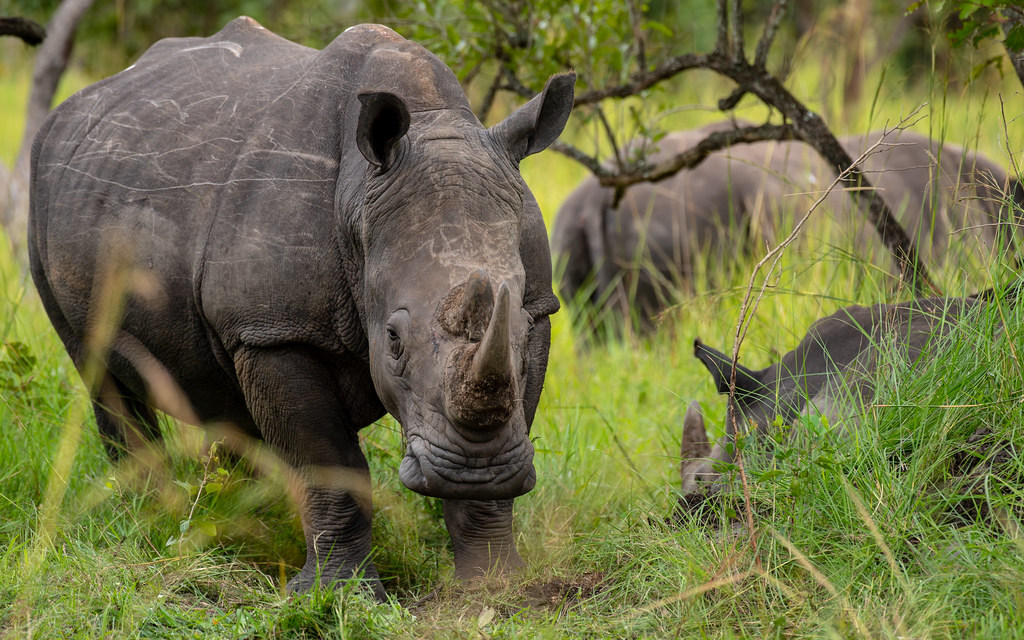
You have excellent chances of seeing lions, elephants, buffaloes, and leopards. Rhinoceroses are not found in these parks.
Are bush flights included?
Yes, flights between Ruaha, Katavi, Mahale, and Dar es Salaam are typically included in this itinerary.
Is malaria prevention recommended?
Yes. Consult your doctor before travel regarding malaria prophylaxis and recommended vaccinations.
Can this itinerary be customized?
Absolutely. Additional days can be added in Zanzibar, Nyerere National Park, Mikumi, or other destinations based on your interests.
Why visit the southern and western circuit instead of the Serengeti?
If you value privacy, authentic wilderness, unique experiences, and fewer crowds, Tanzania’s southern and western parks offer one of Africa’s finest safari experiences.
Begin Your Adventure with Love Africa Safaris
There are few places left in the world where wilderness still feels truly untouched.
Tanzania’s southern and western safari circuit is one of them.
From the golden plains of Mikumi and the ancient rainforests of Udzungwa to the giant baobabs of Ruaha, the remote floodplains of Katavi, and the chimpanzee-filled forests of Mahale, every day reveals a different side of this remarkable country.
This is more than a safari—it is a journey through landscapes that remain wild, authentic, and wonderfully uncrowded. It is an opportunity to connect with nature in its purest form, witness extraordinary wildlife, and experience Tanzania beyond the familiar routes.
At Tanzania southern safari, we specialize in creating tailor-made adventures that showcase the very best of East Africa. Whether you are traveling as a couple, with family, or as part of a small group, our experienced team can customize this itinerary to match your interests, travel style, and budget.
Contact Tanzania southern safari today to begin planning your unforgettable 15-day journey through Tanzania’s hidden safari circuit. Let us help you discover the places that few travelers ever see—and create memories that will stay with you for a lifetime.