
Southern vs Northern Tanzania Safari: Which Safari Experience Is Right for You?
Tanzania is one of Africa’s greatest safari destinations, offering extraordinary wildlife encounters, dramatic landscapes, and some of the most iconic national parks on the continent. Yet many travelers planning a safari quickly discover that Tanzania is divided into two major safari circuits: the Northern Circuit and the Southern Circuit. Both regions provide unforgettable wildlife experiences, but they differ greatly in atmosphere, accessibility, landscapes, activities, and overall safari style.
For some travelers, the classic safari dream revolves around the endless plains of the Serengeti and the spectacular Ngorongoro Crater. Others seek a more remote and untouched wilderness where safari vehicles are rare and the experience feels raw, intimate, and adventurous. Understanding the differences between southern and northern Tanzania safaris is essential for choosing the right journey for your travel style.
This guide explores the key differences between Tanzania’s northern and southern safari circuits, including wildlife, accommodations, activities, costs, accessibility, best travel seasons, and who each destination suits best.
Understanding Tanzania’s Safari Circuits
Tanzania’s safari regions are generally divided into two main tourism circuits:
Northern Circuit
The Northern Circuit includes:
- Serengeti National Park
- Ngorongoro Conservation Area
- Tarangire National Park
- Lake Manyara National Park
- Arusha National Park
This is Tanzania’s most visited safari region and home to some of Africa’s most famous wildlife destinations.
Southern Circuit
The Southern Circuit includes:
- Nyerere National Park
- Ruaha National Park
- Mikumi National Park
- Udzungwa Mountains National Park
- Katavi National Park
Southern Tanzania is more remote, less developed for mass tourism, and offers a more wilderness-oriented safari experience.
Both regions are exceptional, but they appeal to different types of travelers.
Northern Tanzania Safari: The Classic African Safari Experience
The Northern Circuit is what most people imagine when they think about a safari in Africa. Vast savannah plains filled with wildebeest, giant elephant herds walking beneath baobab trees, predators stalking prey across golden grasslands, and breathtaking crater landscapes define this famous region.
Northern Tanzania is particularly attractive for first-time safari travelers because it combines world-famous parks with relatively easy logistics and consistently excellent wildlife viewing.
Serengeti National Park: The Crown Jewel
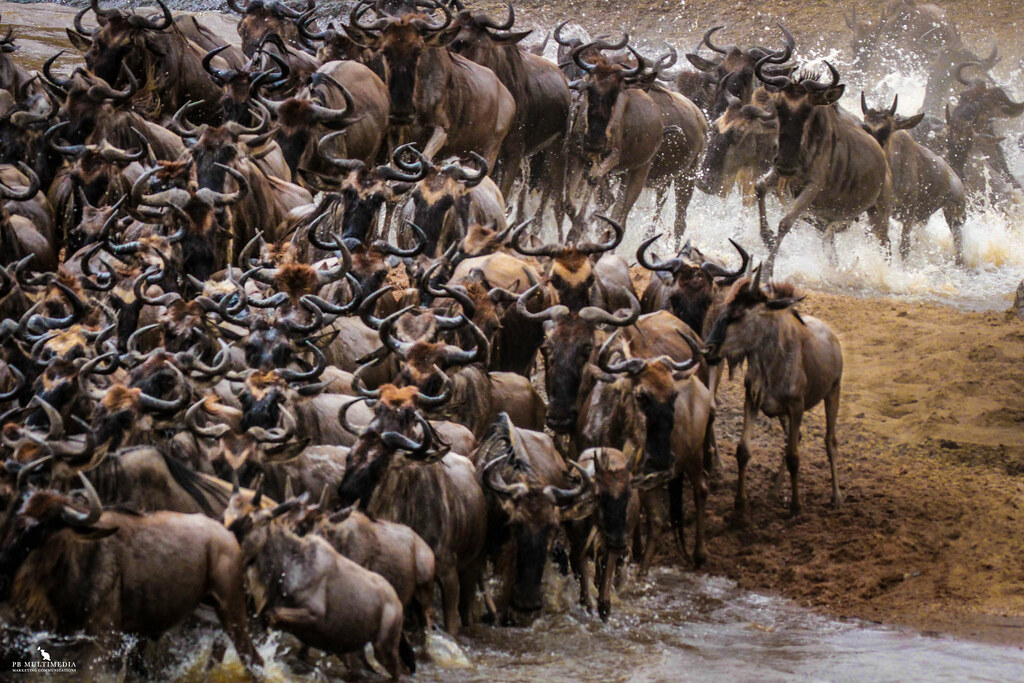
No northern Tanzania safari discussion is complete without the Serengeti. The Serengeti is one of the world’s greatest wildlife ecosystems and hosts the legendary Great Migration, where millions of wildebeest and zebras move across the plains in search of fresh grazing.
The park is enormous and incredibly diverse. Central Serengeti offers year-round predator sightings, while northern Serengeti becomes famous during river crossing season when massive herds cross crocodile-filled rivers dramatically.
The Serengeti is ideal for:
- First-time safaris
- Big Five sightings
- Wildlife photography
- Luxury safaris
- Great Migration experiences
Game viewing here is often spectacular throughout the year.
Ngorongoro Conservation Area: Wildlife Inside a Crater
The Ngorongoro Crater is one of Africa’s most unique safari destinations. This collapsed volcanic caldera creates a natural wildlife enclosure where animals live within steep crater walls.
The crater floor offers one of the highest wildlife concentrations in Africa. Visitors can see lions, elephants, buffaloes, hippos, hyenas, and even endangered black rhinos within a single game drive.
Ngorongoro also combines wildlife with culture because Maasai communities still live within the conservation area.
The scenery is dramatic and unforgettable, making it a highlight of most northern Tanzania itineraries.
Tarangire National Park: Land of Giants
Tarangire is famous for its massive elephant herds and iconic baobab trees. During the dry season, wildlife gathers around the Tarangire River, creating excellent game viewing opportunities.
Compared to Serengeti and Ngorongoro, Tarangire usually receives fewer visitors, offering a quieter safari atmosphere while still maintaining excellent wildlife sightings.
The park is especially attractive for:
- Elephant lovers
- Birdwatchers
- Scenic photography
- Travelers seeking fewer crowds
Lake Manyara National Park
Lake Manyara may be smaller than Tanzania’s other famous parks, but it is known for its beautiful scenery and diverse habitats. The park includes forests, lakeshore environments, groundwater forests, and open plains.
Tree-climbing lions are one of the park’s most famous attractions, although sightings are never guaranteed.
The park also offers:
- Flamingos
- Hippos
- Baboons
- Elephants
- Rich birdlife
Lake Manyara is often included as a short stop on northern safari itineraries.
Why Northern Tanzania Is So Popular
Several factors make northern Tanzania the country’s most visited safari region.
Easier Accessibility
Northern Tanzania has excellent safari infrastructure. Most trips begin from Arusha, which serves as the safari capital of Tanzania. Roads between parks are relatively accessible, and domestic flights are widely available.
Travelers can easily combine multiple parks within one itinerary without extremely long travel times.
Reliable Wildlife Viewing
Wildlife densities in the north are extremely high. Even short safaris often deliver remarkable sightings, making the region ideal for travelers with limited time.
The chance of seeing the Big Five is also very good, especially when combining Serengeti and Ngorongoro.
Variety of Accommodation
Northern Tanzania offers accommodations for every budget:
- Budget camping
- Mid-range lodges
- Luxury tented camps
- Ultra-luxury safari lodges
This flexibility makes northern Tanzania accessible to a wide range of travelers.
Excellent for First-Time Safari Travelers
If someone has never visited Africa before, northern Tanzania is usually the safest recommendation. The parks are iconic, the logistics are easier, and wildlife sightings are consistently rewarding.
The region delivers the “classic safari” many travelers dream about.
Southern Tanzania Safari: Africa’s Wild Frontier
Southern Tanzania offers a completely different safari atmosphere. Instead of busy wildlife circuits and famous safari routes, southern Tanzania provides vast wilderness, fewer tourists, and a much more remote experience.
Many experienced safari travelers consider southern Tanzania one of Africa’s last true wilderness areas.
Safaris here feel more adventurous and intimate.
Nyerere National Park: River Safaris and Untamed Wilderness
Formerly known as Selous Game Reserve, Nyerere National Park is one of Africa’s largest protected wildlife areas.
The park is famous for:
- Boat safaris
- Walking safaris
- Remote landscapes
- Diverse ecosystems
The Rufiji River is the heart of the park and creates a safari experience very different from northern Tanzania. Boat safaris allow visitors to observe hippos, crocodiles, elephants, and birdlife from the water.
Watching wildlife from a boat adds a completely different perspective compared to traditional game drives.
Nyerere is ideal for travelers seeking:
- Fewer crowds
- Unique safari activities
- A remote atmosphere
- Diverse landscapes
Ruaha National Park: Predator Paradise
Ruaha is often considered Tanzania’s best-kept safari secret. The park is vast, rugged, and incredibly wild.
Ruaha is especially famous for:
- Large lion prides
- Wild dogs
- Leopards
- Massive elephant populations
The landscape differs greatly from the Serengeti. Rocky hills, giant baobabs, dry riverbeds, and dramatic scenery define the region.
Because Ruaha receives relatively few visitors, safaris often feel highly exclusive.
You may spend hours exploring without encountering another vehicle.
Mikumi National Park
Mikumi is the most accessible southern park from Dar es Salaam and is often used as an introduction to southern Tanzania.
The park features open plains that resemble the Serengeti and supports populations of:
- Lions
- Zebras
- Buffaloes
- Giraffes
- Elephants
Mikumi is ideal for shorter safaris from the coast or Dar es Salaam.
The Wilderness Feeling of Southern Tanzania
One of the greatest attractions of southern Tanzania is its feeling of untouched wilderness.
Unlike the north, where multiple safari vehicles may gather around wildlife sightings, southern Tanzania often feels quiet and deeply connected to nature.
This appeals strongly to:
- Repeat safari travelers
- Adventure seekers
- Nature photographers
- Travelers wanting exclusivity
The safari experience feels less commercial and more immersive.
Activities: Northern vs Southern Tanzania
One of the biggest differences between the two circuits lies in the safari activities available.
Northern Tanzania Activities
Northern safaris focus mainly on:
- Game drives
- Balloon safaris
- Cultural visits
- Photography safaris
The emphasis is usually on maximizing wildlife sightings.
Southern Tanzania Activities
Southern Tanzania offers more varied and adventurous safari activities.
Walking Safaris
Southern Tanzania is one of Africa’s best regions for guided walking safaris. Walking through the bush with an armed guide creates a thrilling and deeply immersive experience.
Travelers learn about:
- Animal tracks
- Plants
- Birds
- Ecosystems
- Smaller wildlife often missed during drives
Boat Safaris
Boat safaris are a major highlight in Nyerere National Park. Viewing wildlife from the water offers incredible photographic opportunities and a different safari perspective.
Fly Camping
Some camps offer fly camping experiences where travelers sleep in lightweight wilderness camps under the stars.
This creates one of Africa’s most adventurous safari experiences.
Wildlife Comparison
Both northern and southern Tanzania offer exceptional wildlife, but the viewing experience differs significantly.
Northern Tanzania Wildlife
Northern Tanzania excels in:
- Big Five sightings
- Great Migration
- Cheetahs
- Rhinos
- Dense wildlife populations
Wildlife viewing is often easier because animals are concentrated in famous safari areas.
Southern Tanzania Wildlife
Southern Tanzania is especially strong for:
- Wild dogs
- Lions
- Elephants
- Leopards
- Wilderness encounters
Wildlife is often more spread out, but sightings feel more natural and exclusive.
Crowds and Tourism Levels
Crowds are one of the biggest deciding factors between northern and southern safaris.
Northern Tanzania
Popular parks like Serengeti and Ngorongoro can become busy during peak safari season, especially around famous wildlife sightings.
During migration river crossings, several vehicles may gather around key viewing points.
However, the parks are large enough that quieter areas can still be found.
Southern Tanzania
Southern Tanzania remains far less crowded. Many safari camps host only a small number of guests, and game drives often occur without seeing other vehicles.
This provides:
- More privacy
- Better photography opportunities
- Greater sense of wilderness
For travelers seeking exclusivity, the south is extremely attractive.
Cost Comparison
Safari costs vary depending on accommodation level, travel season, and transport methods.
Northern Tanzania Costs
Northern Tanzania can be more expensive because:
- Park fees are high
- Demand is strong
- Luxury tourism is highly developed
However, competition also means there are more budget and mid-range options available.
Camping safaris in northern Tanzania can be relatively affordable.
Southern Tanzania Costs
Southern Tanzania often attracts travelers seeking high-quality wilderness experiences. Many camps are small and remote, which increases operational costs.
As a result:
- Mid-range and luxury safaris are common
- Fly-in safaris are popular
- Budget options are more limited
However, many travelers feel the exclusivity justifies the cost.
Accessibility and Travel Logistics
Northern Tanzania
Northern Tanzania is easier to organize because:
- Arusha is well connected
- Roads between parks are established
- Shared safaris are common
- Many operators serve the region
Travelers can comfortably visit several parks within a week.
Southern Tanzania
Southern Tanzania requires more planning.
Distances are larger, roads may be rough, and many travelers use small charter flights between camps.
This adds adventure but can also increase costs.
The south is generally better suited for travelers comfortable with remote travel.
Best Time to Visit Northern Tanzania
The best safari season in northern Tanzania is generally from June to October during the dry season.
Highlights include:
- Great Migration river crossings
- Excellent predator sightings
- Easier wildlife viewing
January to March is also excellent for the calving season in southern Serengeti.
Best Time to Visit Southern Tanzania
Southern Tanzania is best visited during the dry season from June to October.
As water becomes scarce, animals gather around rivers and waterholes, improving wildlife viewing.
Some remote camps close during the rainy season due to flooding and difficult road conditions.
Photography Opportunities
Both regions are excellent for photography, but they offer different styles.
Northern Tanzania Photography
Best for:
- Classic savannah scenes
- Migration photography
- Predator action
- Vast plains landscapes
Southern Tanzania Photography
Best for:
- Wilderness atmosphere
- River photography
- Unique safari angles
- Fewer vehicles in photos
Photographers often love the exclusivity and freedom found in southern Tanzania.
Family Safaris: North or South?
Northern Tanzania for Families
Northern Tanzania is usually better for families because:
- Easier logistics
- Shorter travel distances
- More family-friendly lodges
- Reliable wildlife viewing
Children often enjoy seeing many animals quickly.
Southern Tanzania for Families
Southern Tanzania can work for families, especially older children interested in adventure. However:
- Some camps have age restrictions
- Walking safaris may not suit young children
- Remote logistics can be challenging
Luxury Safari Experiences
Both regions offer world-class luxury safaris.
Northern Tanzania Luxury
Luxury in the north often focuses on:
- Migration camps
- Crater lodges
- Premium wildlife viewing
- Luxury mobile camps
Southern Tanzania Luxury
Luxury in the south focuses more on:
- Privacy
- Wilderness immersion
- Personalized service
- Exclusive camps
Many camps host only a handful of guests.
Combining Northern and Southern Tanzania
Travelers with enough time can combine both safari circuits for the ultimate Tanzania safari experience.
A combined itinerary offers:
- Iconic northern highlights
- Remote southern wilderness
- Diverse landscapes
- Different safari styles
A popular combination includes:
- Serengeti and Ngorongoro
- Fly to Ruaha or Nyerere
- Finish with Zanzibar beaches
This creates a complete Tanzania adventure.
Which Safari Is Right for You?
Choose Northern Tanzania If You Want:
- Your first African safari
- The Great Migration
- Big Five sightings
- Famous safari parks
- Easier logistics
- Shorter travel times
- A wide range of accommodations
Choose Southern Tanzania If You Want:
- Remote wilderness
- Fewer tourists
- Walking safaris
- Boat safaris
- Adventure and exclusivity
- A more authentic safari atmosphere
Final Thoughts
Both northern and southern Tanzania provide extraordinary safari experiences, but they cater to different travel styles.
Northern Tanzania delivers the iconic African safari many people dream about. The Serengeti, Ngorongoro Crater, and Tarangire combine spectacular wildlife, breathtaking scenery, and excellent accessibility. It is the perfect destination for first-time safari travelers and anyone wanting to witness Africa’s most famous wildlife spectacles.
Southern Tanzania, on the other hand, offers something more remote and untamed. Ruaha and Nyerere provide a wilderness experience where safari feels adventurous, exclusive, and deeply connected to nature. The lower visitor numbers, diverse safari activities, and wild atmosphere create unforgettable memories for travelers seeking a more intimate African adventure.
Ultimately, there is no wrong choice. The best safari is the one that matches your interests, budget, and travel style. Many travelers visit northern Tanzania first and later return to experience the incredible wilderness of the south.
Whichever region you choose, Tanzania remains one of the finest safari destinations on Earth.