
Best Places to Visit on a Tanzania Safari (Complete Guide for 2026)
Tanzania is one of Africa’s most iconic safari destinations, offering unmatched wildlife experiences, dramatic landscapes, and a wide variety of national parks. From the endless plains of the Serengeti National Park to the breathtaking beauty of the Ngorongoro Crater, this East African gem delivers unforgettable adventures for every type of traveler.
Whether you are planning a self-drive safari, a guided wildlife tour, or a luxury safari experience, knowing the best places to visit is essential. This guide covers Tanzania’s top safari destinations, helping you choose the perfect itinerary for your trip or your clients.
Why Choose Tanzania for a Safari?
Tanzania stands out as a premier safari destination due to its:
- Incredible wildlife diversity, including the Big Five
- Home to the world-famous Great Migration
- Well-preserved national parks and conservation areas
- Options for self-drive, budget, mid-range, and luxury safaris
- Year-round safari opportunities
With a well-developed tourism infrastructure and a variety of ecosystems, Tanzania offers something for everyone—from first-time visitors to seasoned safari travelers.
1. Serengeti National Park – Africa’s Ultimate Safari Destination
The Serengeti National Park is arguably the most famous safari destination in the world. Known for its vast savannahs and incredible wildlife, it is the crown jewel of Tanzania’s safari circuit.
What Makes Serengeti Special?
- Host of the Great Wildebeest Migration
- Exceptional predator sightings (lions, cheetahs, leopards)
- Endless plains perfect for photography
- Year-round wildlife viewing
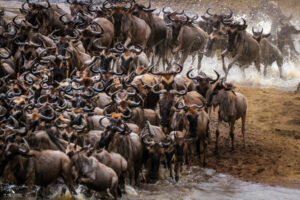
The migration is one of nature’s most spectacular events, involving over two million wildebeest, zebras, and gazelles moving in search of fresh grazing.
Best Time to Visit
- June – October: River crossings and dry season wildlife
- January – March: Calving season in southern Serengeti
Ideal For
- First-time safari travelers
- Wildlife photographers
- Luxury and self-drive safaris
2. Ngorongoro Crater – The World’s Largest Natural Wildlife Arena
The Ngorongoro Crater is a UNESCO World Heritage Site and one of the most unique safari locations in Africa.
Why Visit Ngorongoro?
- High concentration of wildlife in a compact area
- Excellent chances of spotting the Big Five
- Stunning volcanic crater scenery
This natural enclosure creates one of the easiest places in Africa to see a wide range of animals in a single day.
Highlights
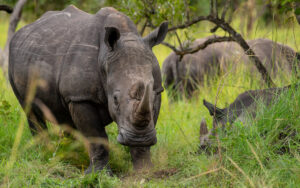
- Black rhino sightings (rare elsewhere)
- Flamingos around Lake Magadi
- Dense predator population
Ideal For
- Short safaris
- Guaranteed wildlife viewing
- Family-friendly trips
3. Tarangire National Park – Land of Giants
The Tarangire National Park is famous for its massive elephant herds and iconic baobab trees.
What Makes Tarangire Unique?
- Large elephant populations
- Scenic landscapes with ancient baobabs
- Seasonal wildlife migration
During the dry season, animals gather along the Tarangire River, creating excellent game viewing opportunities.
Best Time to Visit
- June – October (dry season)
Ideal For
- Elephant lovers
- Less crowded safaris
- Self-drive adventures
4. Lake Manyara National Park – Small Park, Big Experience
The Lake Manyara National Park offers a diverse ecosystem despite its relatively small size.
Key Attractions
- Tree-climbing lions
- Thousands of flamingos
- Groundwater forests and scenic escarpments
Activities
- Game drives
- Birdwatching
- Canoeing (seasonal)
Ideal For
- Day trips
- Scenic photography
- Bird lovers
5. Nyerere National Park – Africa’s Hidden Giant
Formerly part of Selous Game Reserve, the Nyerere National Park is one of the largest protected areas in Africa.
Why It Stands Out
- Remote and less crowded
- Boat safaris along the Rufiji River
- Rich wildlife, including wild dogs
Unique Experiences
- Walking safaris
- River-based wildlife viewing
Ideal For
- Off-the-beaten-path travelers
- Adventure seekers
- Luxury eco-safaris
6. Ruaha National Park – Raw African Wilderness
The Ruaha National Park is Tanzania’s largest national park and one of its least visited.
Highlights
- Large lion prides
- Rare African wild dogs
- Dramatic landscapes
Ruaha offers a truly wild experience, far from mass tourism.
Ideal For
- Experienced safari travelers
- Photographers seeking untouched nature
7. Mikumi National Park – Accessible Safari Option
The Mikumi National Park is one of the most accessible parks, especially from Dar es Salaam.
Why Visit Mikumi?
- Easy road access
- Open plains similar to Serengeti
- Budget-friendly safaris
Ideal For
- Short trips
- First-time safari travelers
- Weekend getaways
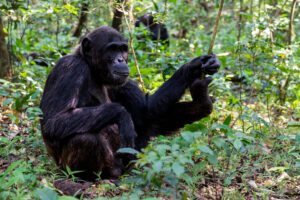
8. Mahale Mountains National Park – Chimpanzee Paradise
The Mahale Mountains National Park is one of the most remote and exclusive safari destinations.
What Makes It Special?
- Chimpanzee trekking
- Beautiful Lake Tanganyika beaches
- Mountain rainforest setting
Ideal For
- Unique wildlife experiences
- Luxury and adventure travel
9. Arusha National Park – Perfect Start or Finish
Located near Arusha, the Arusha National Park is often overlooked but offers unique activities.
Activities
- Walking safaris
- Canoeing
- Scenic views of Mount Meru
Ideal For
- Day trips
- First or last day of safari
10. Saadani National Park – Where Safari Meets the Ocean
The Saadani National Park is the only park in East Africa where wildlife meets the beach.
Highlights
- Oceanfront wildlife viewing
- Boat safaris
- Relaxed coastal atmosphere
Ideal For
- Combining safari and beach
- Unique travel experiences
Northern vs Southern Circuit: Which Is Best?
Northern Circuit (Most Popular)
Includes:
- Serengeti
- Ngorongoro
- Tarangire
- Lake Manyara
Advantages:
- Best wildlife density
- Well-developed infrastructure
- Ideal for first-time visitors
Southern Circuit (Hidden Gem)
Includes:
- Nyerere
- Ruaha
- Mikumi
Advantages:
- Fewer tourists
- More exclusive experience
- Untouched wilderness
Best Time to Visit Tanzania for Safari
Dry Season (June – October)
- Best wildlife viewing
- Animals gather around water sources
Green Season (November – May)
- Fewer crowds
- Beautiful landscapes
- Best for birdwatching and calving season
Self-Drive vs Guided Safari
Self-Drive Safari
Perfect for:
- Independent travelers
- Budget-conscious visitors
- Flexible itineraries
Popular routes include:
- Arusha → Tarangire → Ngorongoro → Serengeti
Guided Safari
Ideal for:
- First-time visitors
- Luxury travelers
- Wildlife enthusiasts
Sample 7-Day Tanzania Safari Itinerary
Day 1: Arrival in Arusha
Day 2: Tarangire National Park
Day 3: Lake Manyara
Day 4: Ngorongoro Crater
Day 5–6: Serengeti National Park
Day 7: Return to Arusha
Safari Tips for Travelers
- Book early during peak season
- Choose the right vehicle (4×4 recommended)
- Carry cash for park fees and fuel
- Respect wildlife and park rules
- Travel with insurance
Why Book With a Local Tanzania Safari Company?
Working with a local operator gives you:
- Better pricing
- Local expertise
- Customized itineraries
- Reliable support on the ground
Final Thoughts
Tanzania offers some of the best safari experiences on Earth. Whether you choose the iconic plains of the Serengeti National Park, the wildlife-rich Ngorongoro Crater, or the remote wilderness of Ruaha National Park, you are guaranteed an unforgettable adventure.
For the ultimate experience:
- Combine Serengeti + Ngorongoro + Tarangire
- Add Zanzibar for a beach extension
- Or explore the Southern Circuit for a quieter, more exclusive safari
Ready to Plan Your Tanzania Safari?
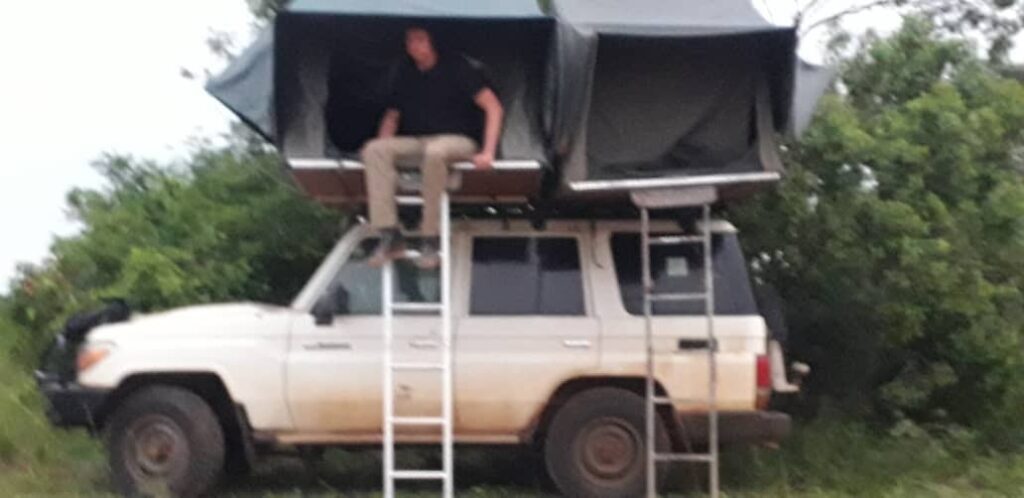
Whether you’re offering car rental with rooftop tents, guided safaris, or custom itineraries, this is the perfect time to turn your travel dreams into reality.
👉 Contact us today to design your perfect Tanzania safari experience.