
The Ultimate Guide to an Immersive Tanzania Safari
Experience the Wild Beyond the Surface
An immersive safari in Tanzania is not just a vacation—it’s a journey into one of the most intact ecosystems on Earth. While traditional safaris focus on checking animals off a list, immersive safaris go deeper. They invite you to slow down, observe, connect, and truly live within the rhythms of the wild.
From the endless plains of Serengeti National Park to the dramatic caldera of Ngorongoro Crater, and from ancient human cultures to intimate wildlife encounters, an immersive safari transforms travel into something far more meaningful.
This guide will walk you through everything you need to know—from what makes a safari immersive, to where to go, what to expect, how to plan, and why Tanzania stands out as one of the world’s premier safari destinations.
What Is an Immersive Safari?
An immersive safari is about depth, not speed.
Instead of rushing through parks trying to see as many animals as possible, immersive safaris emphasize:
- Extended time in key locations
- Close observation of animal behavior
- Cultural engagement with local communities
- Staying inside or near wildlife habitats
- Participating in experiences beyond game drives
This approach allows you to move from being a spectator to becoming a participant in the natural world.
You don’t just see a lion—you watch how it stalks prey, interacts with its pride, and rests through the heat of the day. You don’t just visit a village—you learn how people have coexisted with wildlife for generations.
Why Choose Tanzania for an Immersive Safari?
Tanzania offers one of the most complete safari ecosystems on Earth. Few countries combine such vast wilderness, abundant wildlife, and rich cultural heritage in one destination.
1. Unmatched Wildlife Density
Tanzania is home to:
- The Big Five (lion, elephant, buffalo, leopard, rhino)
- Over 4 million wild animals
- One of the largest intact ecosystems in Africa
The plains of the Serengeti National Park alone support one of the greatest wildlife spectacles on the planet.
2. The Great Migration
One of the most powerful reasons to visit Tanzania is the Great Migration, where:
- Over 1.5 million wildebeest
- Hundreds of thousands of zebras
- Thousands of predators
move in a continuous cycle across the Serengeti ecosystem.
This is not a staged event—it is raw, unpredictable nature. You might witness river crossings, predator hunts, or massive herds stretching to the horizon.
3. Diverse Landscapes in One Country
Tanzania’s safari circuit offers a stunning range of environments:
- Savannas and grasslands
- Volcanic craters
- Woodlands and rivers
- Lakes and wetlands
For example:
- Tarangire National Park – known for elephants and baobab trees
- Lake Manyara National Park – famous for tree-climbing lions and flamingos
- Ngorongoro Crater – a natural wildlife amphitheater
Each destination offers a completely different experience.
4. Rich Cultural Heritage
Tanzania is not just about wildlife—it is also home to some of Africa’s most fascinating cultures.
Immersive safaris often include interaction with:
- The Maasai people
- The Hadzabe people
- The Datoga people
These experiences provide insight into ancient traditions, survival skills, and ways of life that have remained largely unchanged for centuries.

Key Elements of an Immersive Tanzania Safari
1. Extended Game Drives
Unlike standard safaris, immersive trips allow for longer and more flexible game drives.
Instead of rushing between sightings, guides may:
- Follow a predator for hours
- Wait quietly for animal interactions
- Return to the same spot over multiple days
This patience leads to richer, more memorable encounters.
2. Staying Inside the Wilderness
Accommodation plays a huge role in immersion.
Instead of urban hotels, you stay in:
- Tented camps within national parks
- Eco-lodges surrounded by nature
- Mobile camps that follow wildlife movements
At night, you may hear:
- Lions roaring
- Hyenas calling
- Elephants moving nearby
This creates a sense of being part of the environment—not separated from it.
3. Walking Safaris
Walking safaris offer a completely different perspective.
Accompanied by trained guides, you explore:
- Animal tracks
- Plants and medicinal uses
- Insects and smaller wildlife
Without the barrier of a vehicle, you become more aware of your surroundings, heightening the experience.
4. Night Game Drives
While many parks restrict nighttime activity, certain areas allow night drives where you can see:
- Nocturnal predators
- Hunting behavior
- Rare animals like civets and bush babies
These experiences reveal a completely different side of the ecosystem.
5. Cultural Immersion
An immersive safari connects you with people as much as wildlife.
You might:
- Join a traditional hunting expedition
- Visit local homes and schools
- Learn beadwork or cattle herding
These moments often become the most meaningful part of the journey.
Top Destinations for an Immersive Safari
Serengeti National Park
Serengeti National Park is the heart of Tanzania’s safari experience.
What makes it special:
- Endless plains filled with wildlife
- The Great Migration
- High concentration of predators
Best for:
- First-time visitors
- Photography
- Extended immersive stays
Ngorongoro Crater
Ngorongoro Crater is one of the most unique safari locations in the world.
Highlights:
- Dense wildlife population
- Scenic volcanic landscape
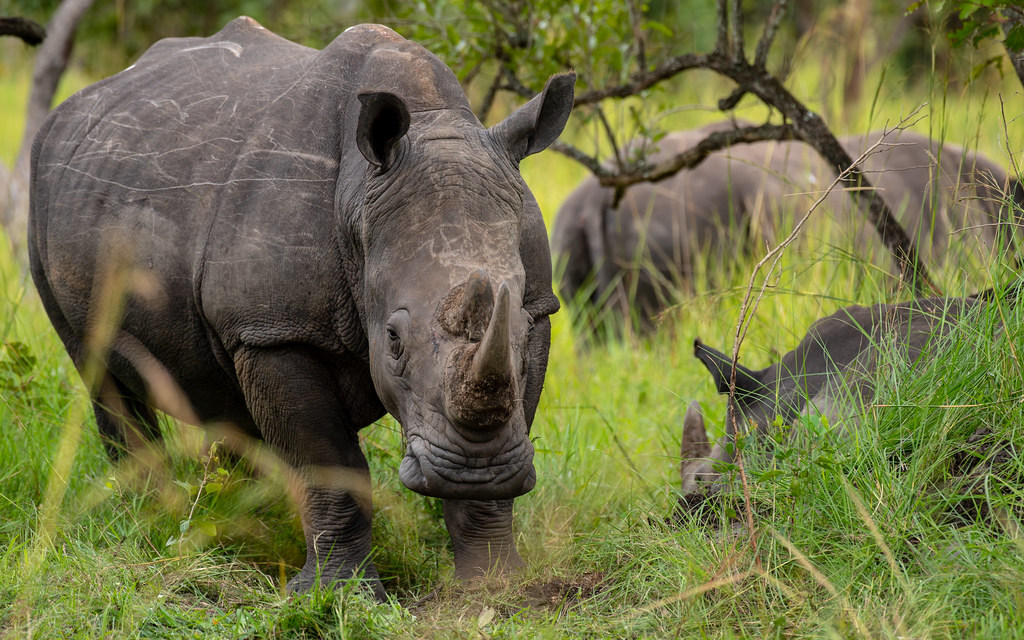
- High chance of seeing rhinos
Experience:
The crater acts like a natural enclosure, offering incredibly close wildlife encounters.
Tarangire National Park
Tarangire National Park is often overlooked but highly rewarding.
Known for:
- Massive elephant herds
- Ancient baobab trees
- Fewer crowds
This park is perfect for a quieter, more intimate safari experience.
Lake Eyasi
Lake Eyasi is a cultural highlight.
Why visit:
- Home to the Hadzabe and Datoga tribes
- Authentic cultural interactions
- Insight into ancient human lifestyles
A Sample 7-Day Immersive Safari Itinerary
Day 1: Arrival in Arusha
Arrive in Arusha, the gateway to northern safaris. Relax and prepare for the journey.
Day 2: Tarangire National Park
Drive to Tarangire and enjoy your first game drive among elephants and baobabs.
Day 3: Ngorongoro Conservation Area
Explore the crater with a full-day game drive.
Days 4–5: Serengeti National Park
Spend multiple days in the Serengeti, allowing for deep exploration and wildlife observation.
Day 6: Lake Eyasi Cultural Experience
Visit Hadzabe communities and participate in traditional activities.
Day 7: Return to Arusha
Reflect on your journey and depart.
Types of Immersive Safari Experiences
Luxury Immersive Safari
- Private guides
- High-end tented camps
- Personalized itineraries
Mid-Range Safari
- Comfortable lodges
- Shared or private vehicles
- Balanced cost and experience
Budget Immersive Safari
- Camping options
- Smaller groups
- Focus on experience over luxury
Best Time to Go
Tanzania is a year-round destination, but timing affects your experience.
Dry Season (June–October)
- Best for wildlife viewing
- Easier to spot animals
Wet Season (November–May)
- Lush landscapes
- Fewer tourists
- Great for birdwatching
What You’ll See: Wildlife Highlights
- Lions resting or hunting
- Elephants migrating in herds
- Leopards in trees
- Cheetahs sprinting across plains
- Hippos in rivers
- Crocodiles at river crossings
Every day brings something new.
The Emotional Impact of an Immersive Safari
Many travelers describe immersive safaris as transformative.
Why?
Because you begin to:
- Understand ecosystems
- Appreciate natural balance
- Disconnect from modern distractions
- Reconnect with the present moment
It’s not just travel—it’s perspective.
Practical Tips for Planning
1. Choose the Right Operator
Look for companies specializing in immersive, slow safaris.
2. Pack Smart
- Neutral-colored clothing
- Binoculars
- Camera
- Sunscreen
3. Stay Flexible
Wildlife is unpredictable—embrace the unexpected.
Sustainability and Responsible Travel
Immersive safaris often support:
- Conservation efforts
- Local communities
- Eco-friendly tourism
By choosing responsible operators, your trip contributes to preserving Tanzania’s natural heritage.
Cost of an Immersive Tanzania Safari
Prices vary widely depending on comfort level.
Rough estimates (per person):
- Budget: $1,500–$3,000 (7 days)
- Mid-range: $3,000–$6,000
- Luxury: $6,000+
Factors include:
- Accommodation type
- Season
- Group size
- Transportation
Why an Immersive Safari Is Worth It
A standard trip shows you animals.
An immersive safari gives you:
- Stories
- Understanding
- Connection
It changes how you see nature—and your place within it.
Final Thoughts
An immersive safari in Tanzania is one of the most powerful travel experiences available today.
It combines:
- Wildlife
- Culture
- Adventure
- Reflection
into a journey that stays with you long after you return home.
If you’re looking for more than just a vacation—if you want something meaningful, raw, and unforgettable—this is it.