
Tanzania Wildebeest Migration: The Complete Guide to the Great Serengeti Migration
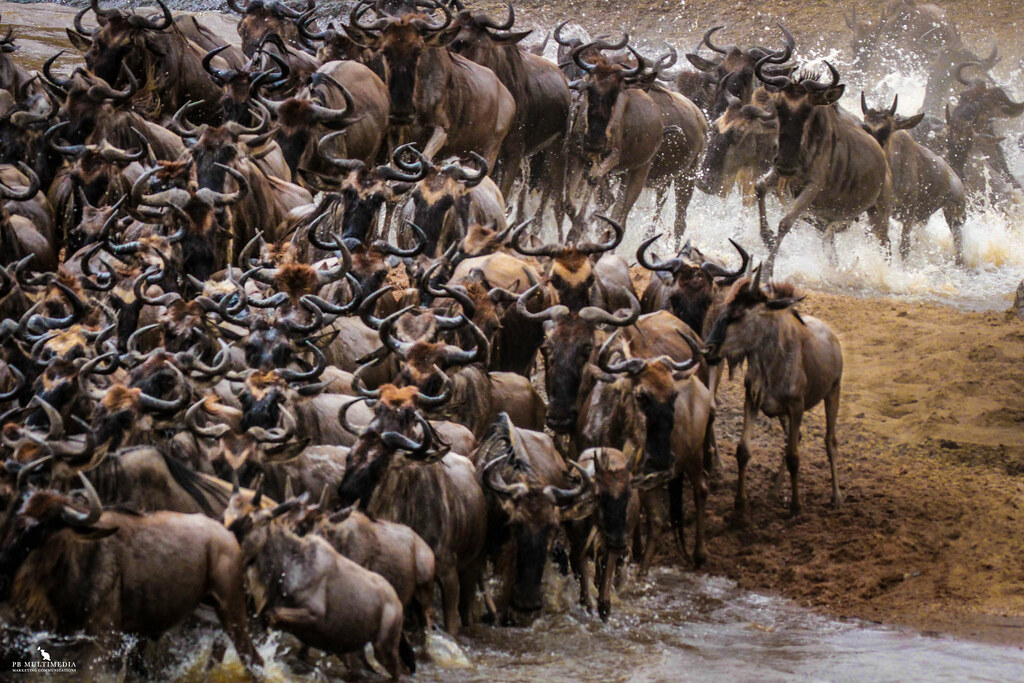
The Tanzania Wildebeest Migration, also known as the Great Serengeti Migration, is one of the most spectacular wildlife events on Earth. Each year, over 1.5 million wildebeest, accompanied by hundreds of thousands of zebras and gazelles, move across the Serengeti ecosystem in a continuous search for fresh grazing and water.
This natural phenomenon takes place primarily in Serengeti National Park, Tanzania, and forms part of a larger ecosystem that extends into Kenya’s Maasai Mara. The migration is driven by rainfall patterns and is a year-round cycle rather than a single event.
Why the Great Migration Is So Special
-
One of the Seven Natural Wonders of Africa
-
The largest overland mammal migration in the world
-
Dramatic river crossings filled with crocodiles
-
Intense predator action from lions, cheetahs, leopards, and hyenas
-
Massive calving season with thousands of newborn animals
Every stage of the migration offers a different and unforgettable safari experience.
The Annual Migration Calendar
The migration follows a roughly predictable pattern based on rainfall. Below is a month-by-month guide to help you choose the best time to visit Tanzania.
December to March – Calving Season (Southern Serengeti & Ndutu)
During this period, the herds gather in the southern Serengeti plains and Ndutu area.
-
Peak calving occurs in January and February
-
Approximately 500,000 calves are born within a few weeks
-
High predator activity due to vulnerable newborns
-
Excellent photographic opportunities
Best for: Seeing baby animals, predator hunts, and wide open plains filled with wildlife.
April to May – Long Rains & Movement North
As the long rains begin, the herds start moving northwest toward the central and western Serengeti.
-
Lush green landscapes
-
Fewer tourists
-
Lower safari rates
-
Dramatic skies for photography
Best for: Travelers seeking fewer crowds and excellent value.
June to July – Grumeti River Crossings (Western Serengeti)
The migration reaches the Western Corridor, where herds must cross the Grumeti River.
-
First major river crossings
-
Large Nile crocodiles waiting in the waters
-
Growing predator concentration
Best for: River crossing drama without peak-season congestion.
August to October – Mara River Crossings (Northern Serengeti)
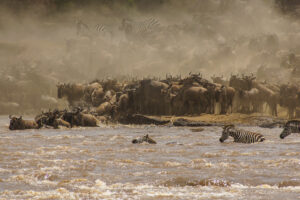
This is the most famous phase of the migration.
-
Herds gather at the Mara River in Northern Serengeti
-
Massive, chaotic river crossings
-
Crocodile attacks and dramatic scenes
-
Peak safari season
Best for: Iconic migration images and high-action wildlife experiences.
November – The Short Rains & Return South
With the short rains, the herds gradually move back toward the southern Serengeti.
-
Fresh green grass
-
Fewer visitors
-
Excellent game viewing
Best Time to Visit Tanzania for the Migration
| Experience | Best Months |
|---|---|
| Calving season | January – February |
| Grumeti River crossings | June – July |
| Mara River crossings | August – September |
| Fewer crowds & better rates | April, May, November |
Because rainfall varies each year, working with an experienced safari operator ensures you stay close to the herds.
Where to See the Migration in Tanzania
The Serengeti is vast, and location matters greatly. Key areas include:
-
Southern Serengeti (Ndutu) – Calving season
-
Central Serengeti (Seronera) – Year-round wildlife
-
Western Corridor (Grumeti) – Early river crossings
-
Northern Serengeti (Kogatende) – Mara River crossings
Choosing accommodation near the migration’s current location significantly improves your experience.
Safari Planning Tips
-
Book 6–12 months in advance for peak river crossing season.
-
Consider fly-in safaris to save time on long drives.
-
Stay at mobile or seasonal camps that follow the migration.
-
Combine the Serengeti with:
-
Ngorongoro Crater
-
Tarangire National Park
-
Zanzibar beach holiday
-
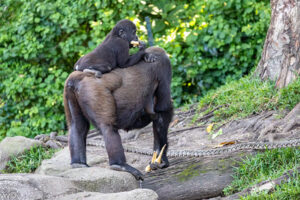
Gorilla trekking in Rwanda for a complete East Africa experience
-
How Long Should You Stay?
A minimum of 4–5 days in the Serengeti is recommended to increase your chances of witnessing key migration moments such as river crossings or predator hunts.
For a complete northern Tanzania safari circuit, 7–10 days is ideal.
Final Thoughts
The Tanzania Wildebeest Migration is not just a safari — it is a powerful display of nature’s raw beauty and survival. Whether you visit during calving season or witness the heart-pounding river crossings, the Serengeti offers one of the most unforgettable wildlife experiences in the world.
If you are planning a Tanzania safari, timing and location are everything. With the right itinerary and expert guidance, you can experience the Great Migration at its very best.