
Tarangire National Park: A Complete Guide to Tanzania’s Elephant Kingdom
Tarangire National Park is one of Tanzania’s most distinctive and ecologically important wildlife sanctuaries, offering a classic African safari experience shaped by vast landscapes, ancient baobab trees, and remarkable concentrations of wildlife. Located in northern Tanzania, approximately 118 kilometers southwest of Arusha, the park forms an essential part of the country’s celebrated Northern Safari Circuit, alongside Serengeti National Park, Ngorongoro Conservation Area, and Lake Manyara National Park.
Covering an area of approximately 2,850 square kilometers, Tarangire is among Tanzania’s largest national parks. Despite its size and biodiversity, it remains less crowded than many other parks, allowing visitors to enjoy a quieter, more intimate safari atmosphere. This combination of abundant wildlife and relative exclusivity makes Tarangire especially appealing to travelers seeking an authentic and immersive safari experience.
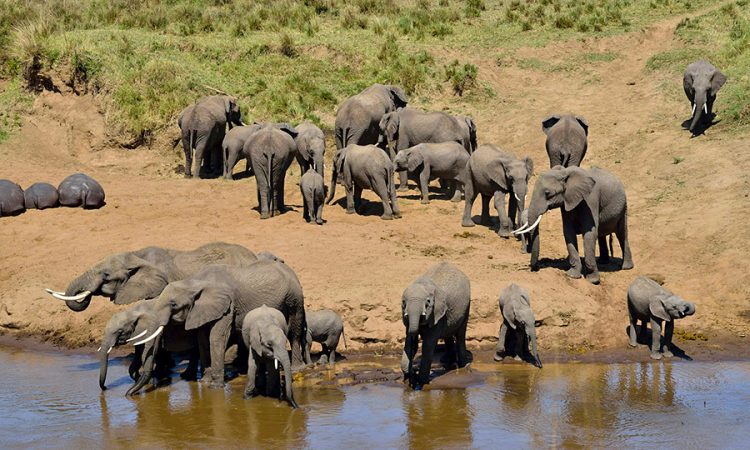
The park takes its name from the Tarangire River, a permanent watercourse that winds through the heart of the landscape. During the dry season, when much of the surrounding Maasai Steppe becomes arid, the river serves as the primary source of water for wildlife, drawing vast numbers of animals into the park. This seasonal movement creates some of the most dramatic wildlife concentrations in northern Tanzania, particularly large herds of elephants.
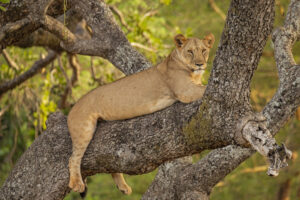
Tarangire National Park is internationally renowned for its exceptional elephant population, considered one of the largest in East Africa. It is common to see families and massive herds gathered along riverbanks, feeding beneath towering baobab trees or crossing open plains. In addition to elephants, the park supports a wide variety of mammals, including lions, leopards, cheetahs, buffaloes, giraffes, zebras, wildebeest, and several rare antelope species, making it a rich and rewarding destination for wildlife enthusiasts.
Equally striking is Tarangire’s landscape, which is defined by sweeping savannahs, rolling hills, acacia woodlands, riverine forests, seasonal wetlands, and iconic giant baobab trees, some of which are centuries old. These dramatic features give the park a unique character and provide outstanding photographic opportunities throughout the year.
Beyond mammals, Tarangire is also a premier birding destination, boasting over 550 recorded bird species. The park’s diverse habitats support both resident and migratory birds, making it attractive to birdwatchers in every season. From large raptors soaring overhead to colorful savannah and wetland species, Tarangire offers exceptional avian diversity.
Established as a national park in 1970 and managed by the Tanzania National Parks Authority (TANAPA), Tarangire plays a vital role in regional conservation efforts. It protects crucial migration corridors and supports broader ecosystem connectivity with surrounding community lands and wildlife management areas.
In essence, Tarangire National Park is a place where dramatic landscapes, rich wildlife, and seasonal rhythms come together to create a truly unforgettable safari destination. Whether visited as a standalone park or combined with other northern highlights, Tarangire offers depth, diversity, and authenticity that define the heart of the Tanzanian safari experience.
Location and Geography
Tarangire National Park lies approximately 118 kilometers southwest of Arusha, making it easily accessible by road or air. The park covers an area of about 2,850 square kilometers, making it one of Tanzania’s larger national parks.
The park’s defining feature is the Tarangire River, a permanent water source that flows northward through the park. During the dry season, this river becomes the lifeline for wildlife, attracting thousands of animals from surrounding ecosystems.
Tarangire’s terrain includes:
-
Open savannah grasslands
-
Acacia and miombo woodlands
-
Riverine forests
-
Seasonal marshes and floodplains
-
Rolling hills dotted with baobab trees
This variety of habitats supports a rich concentration of wildlife throughout the year.
History and Conservation
Tarangire National Park was officially established in 1970 and is managed by the Tanzania National Parks Authority (TANAPA). Before becoming a national park, the area was used as a seasonal migration corridor for wildlife moving between the Maasai Steppe and surrounding ecosystems.
Today, Tarangire plays a critical role in wildlife conservation, especially for elephants and migratory ungulates. The park is also part of a larger ecosystem that includes community-managed wildlife areas, helping to balance conservation with local livelihoods.
Wildlife of Tarangire National Park
Elephants – The Park’s Icon
Tarangire is best known for its extraordinary elephant population, considered one of the highest concentrations in East Africa. During the dry season, herds of up to 300 elephants can be seen along the Tarangire River, providing dramatic and memorable sightings.
Mammals
The park supports a wide range of mammals, including:
-
Lions, leopards, cheetahs, and spotted hyenas
-
African wild dogs (occasionally sighted)
-
Cape buffaloes, giraffes, zebras, wildebeest, and elands
-
Warthogs, impalas, waterbucks, and dik-diks
Tarangire is also one of the few parks where visitors may encounter rare antelope species, such as:
-
Fringe-eared oryx
-
Gerenuk (the “giraffe antelope”)
Birdlife
Tarangire National Park is one of East Africa’s finest birding destinations, offering exceptional avian diversity across a wide range of habitats. With over 550 recorded bird species, the park rivals even larger ecosystems and is especially rewarding for both dedicated birdwatchers and casual safari visitors.
Thanks to its varied landscapes — from riverine forests and wetlands to open savannahs and woodlands — Tarangire supports a remarkable mix of resident, migratory, and near-endemic species throughout the year.
Notable birds include:
-
Kori bustard
-
Secretary bird
-
Yellow-collared lovebird (near-endemic)
-
Martial eagle
-
Ostriches, hornbills, bee-eaters, and starlings
Vegetation and Iconic Baobabs
One of Tarangire’s most striking features is its giant baobab trees, some estimated to be over 1,000 years old. These trees dominate the landscape and serve as landmarks throughout the park.
Baobabs play an important ecological role by storing water and providing shelter and food for birds, insects, and mammals. Combined with acacia woodlands and grassy plains, they create a classic and photogenic African safari setting.
Best Time to Visit Tarangire National Park
Dry Season (June to October)
This is the best time for wildlife viewing. As water sources dry up outside the park, animals migrate toward the Tarangire River. Game viewing is excellent, and predator activity is high.
Short Rains (November to February)
The park becomes lush and green, offering excellent scenery and birdwatching. Migratory birds arrive, and newborn animals are common. Visitor numbers are lower than in peak season.
Long Rains (March to May)
This is the quietest period, with fewer tourists and lower accommodation rates. While some roads may be muddy, the park is incredibly green and beautiful, ideal for photographers seeking dramatic landscapes.
Safari Activities in Tarangire National Park
Visitors can enjoy a wide range of activities, depending on their lodge or camp:
-
Game drives: Morning, afternoon, and full-day safaris
-
Night game drives: Available in selected concessions
-
Walking safaris: Guided by armed rangers
-
Birdwatching tours
-
Cultural visits: Interactions with nearby Maasai communities
-
Hot air balloon safaris: Offering panoramic views of the park
Accommodation Options
Tarangire National Park offers accommodation to suit different travel styles and budgets, including:
-
Luxury lodges and tented camps
-
Mid-range safari lodges
-
Seasonal mobile camps
-
Campsites inside and outside the park
Many lodges are strategically located along wildlife corridors or near the river, maximizing game viewing opportunities.
How to Get to Tarangire National Park
-
By Road: A scenic 2 to 2.5-hour drive from Arusha
-
By Air: Charter flights from Arusha or Serengeti land at nearby airstrips such as Kuro or Sangaiwe
Why Visit Tarangire National Park?
Tarangire National Park offers an exceptional safari experience characterized by:
-
Massive elephant herds
-
High wildlife density during the dry season
-
Stunning baobab-filled landscapes
-
Excellent birdwatching
-
Fewer crowds than other northern parks
Whether visited on its own or combined with Lake Manyara, Ngorongoro Crater, and Serengeti National Park, Tarangire National Park is a must-visit destination for travelers seeking a rich, authentic, and unforgettable Tanzanian safari.