
Rubondo Island National Park: Tanzania’s Hidden Island Wilderness
Rubondo Island National Park is one of Tanzania’s most extraordinary and least-explored wildlife destinations—a secluded island sanctuary where dense tropical forests meet the vast, shimmering waters of Lake Victoria. Far removed from the busy safari circuits of the Serengeti and Ngorongoro, Rubondo offers a rare sense of isolation, silence, and untouched wilderness that is increasingly hard to find in East Africa.
Situated in the southwestern corner of Lake Victoria, Africa’s largest freshwater lake, Rubondo Island National Park is the only national park in Tanzania located entirely on an island. The park encompasses Rubondo Island itself, several smaller surrounding islets, and the adjacent lake waters, forming a unique ecosystem where terrestrial and aquatic environments exist in perfect balance. With no permanent human settlements and extremely limited visitor numbers, the island has retained its wild and pristine character for decades.
Unlike Tanzania’s iconic open savannah parks, Rubondo is dominated by thick evergreen and semi-deciduous forests, papyrus swamps, open grasslands, and quiet sandy beaches. This lush landscape supports a remarkable diversity of wildlife, including forest-dwelling mammals, rare antelope species, abundant birdlife, and one of East Africa’s most unusual chimpanzee populations. Wildlife here is experienced not through crowds and long game-drive routes, but through intimate encounters, guided forest walks, and the subtle sounds of nature echoing through the trees.
Established first as a game reserve in 1965 and later gazetted as a national park in 1977, Rubondo Island National Park was created with a strong conservation vision. Human activities were removed, and carefully planned wildlife introductions were carried out to restore ecological balance. Today, the park stands as a successful example of long-term conservation, where nature has been allowed to regenerate with minimal interference.
Rubondo Island National Park is not a destination for rushed itineraries or conventional safaris. It is a place for travelers who value authenticity, solitude, and deep connection with nature—whether through tracking chimpanzees in the forest, watching fish eagles soar above the lake, or simply absorbing the calm of an island that feels completely removed from the modern world.
Location and Landscape
Rubondo Island lies in the Geita Region of northwestern Tanzania, about 150 kilometers west of Mwanza. The island is dominated by dense tropical forest, interspersed with open grasslands, papyrus swamps, sandy beaches, and rocky shores. Over 80% of the island is forested, making it very different from the classic savannah parks Tanzania is famous for.
The surrounding waters of Lake Victoria play a crucial role in the park’s ecosystem, supporting fish species, birds, and aquatic mammals.
Wildlife and Biodiversity
Rubondo Island National Park is renowned for its diverse and unusual wildlife, much of which was introduced as part of early conservation programs.
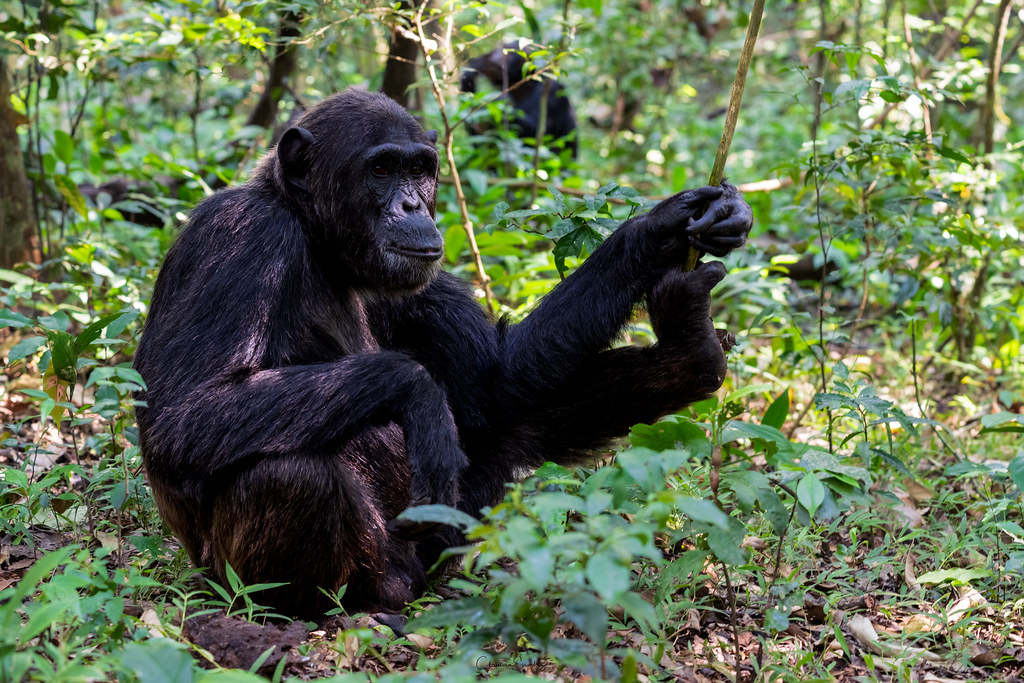
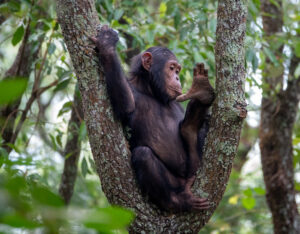
One of the park’s most famous residents is the chimpanzee. Introduced in the 1960s, chimpanzees have adapted well to the island’s forests and can now be tracked on guided excursions. While sightings are not guaranteed, the experience is considered one of the most rewarding primate encounters in East Africa.
Other mammals found in the park include:
-
Elephants
-
Giraffes
-
Sitatunga antelope
-
Bushbuck
-
Hippos and Nile crocodiles
-
Vervet and blue monkeys
-
Genets and other small carnivores
The park is also a birdwatcher’s paradise, with over 300 recorded bird species. Both resident and migratory birds thrive here, including fish eagles, kingfishers, herons, and rare forest species.
Lake Victoria’s waters are rich in fish, particularly Nile perch and tilapia, making the area attractive to both wildlife and sport-fishing enthusiasts.
Activities in Rubondo Island National Park
Rubondo offers a quiet, immersive safari experience focused on nature and conservation rather than mass tourism.
Popular activities include:
-
Chimpanzee tracking and habituation walks
-
Guided forest walks and walking safaris
-
Game drives on limited park tracks
-
Birdwatching
-
Boat and canoe safaris on Lake Victoria
-
Sport fishing (with permits)
Because of its remote nature, activities are typically slow-paced and highly personalized.
Conservation and History
Rubondo Island was declared a game reserve in 1965 and later gazetted as a national park in 1977. Human settlements were relocated to protect the island’s ecosystems, allowing wildlife populations to recover naturally.
Today, Rubondo Island National Park plays an important role in:
-
Primate conservation
-
Habitat protection
-
Anti-poaching efforts
-
Environmental research and education
Its isolation has helped preserve its ecosystems, making it one of Tanzania’s best examples of successful long-term conservation.
How to Get There
Rubondo Island National Park can be accessed in two main ways:
-
By air: Charter flights from Mwanza land on a small airstrip on the island.
-
By road and boat: Visitors can travel by road to nearby lake ports, then continue by boat to the island.
Advance planning is essential due to limited transport and accommodation options.
Best Time to Visit
The best time to visit Rubondo Island National Park is during the dry season from June to September, when wildlife viewing is easier and forest trails are more accessible. The park can be visited year-round, though heavier rains occur from March to May.
Why Visit Rubondo Island National Park?
Rubondo Island National Park is ideal for travelers seeking:
-
A remote and uncrowded safari
-
Chimpanzee and forest wildlife experiences
-
Exceptional birdlife
-
A peaceful escape surrounded by water and wilderness
It is a destination for true nature lovers—quiet, wild, and refreshingly different from the classic safari circuit.