

Nyerere National Park Safari – Tanzania’s Largest and Most Exclusive Wilderness Experience
Nyerere National Park is one of Africa’s most remarkable safari destinations, offering an experience defined by space, silence, and true wilderness. Located in southern Tanzania, this vast protected area covers more than 30,000 square kilometers, making it the largest national park in Tanzania and one of the largest wildlife conservation areas on the continent. Unlike the busier northern safari circuit, Nyerere National Park remains refreshingly uncrowded, providing travelers with an exclusive and authentic African safari experience.
Officially established in 2019 and named after Mwalimu Julius Nyerere, Tanzania’s founding father, the park was formed from the northern section of the historic Selous Game Reserve. Today, it represents a new era of conservation-focused tourism, where low visitor numbers, sustainable lodges, and responsible safari practices protect both wildlife and local ecosystems.
At the heart of the park flows the Rufiji River, Tanzania’s longest river and the lifeline of this extraordinary landscape. Its network of channels, lakes, and floodplains creates a rich mosaic of habitats that support abundant wildlife year-round. From vast elephant herds and powerful predators to rare African wild dogs and more than 400 bird species, Nyerere National Park delivers outstanding game viewing in a setting of exceptional natural beauty.
What truly sets Nyerere National Park apart is the diversity of safari experiences it offers. In addition to classic game drives, visitors can enjoy boat safaris along the Rufiji River and guided walking safaris, activities rarely available in most African national parks. Combined with high-quality lodges and intimate tented camps, these experiences make Nyerere National Park ideal for honeymooners, photographers, families, and seasoned safari travelers seeking something truly special.
Whether visited as a standalone destination or combined with a Zanzibar beach holiday or other Tanzania parks, a safari to Nyerere National Park promises privacy, adventure, and unforgettable encounters in one of Africa’s last great wilderness areas.
A Diverse Landscape Shaped by the Rufiji River
The defining feature of Nyerere National Park is the Rufiji River, Tanzania’s longest river and the lifeblood of the park. Its network of channels, lakes, lagoons, and wetlands creates one of East Africa’s richest ecosystems.
The landscape is remarkably diverse, featuring:
-
Open savannah plains ideal for game viewing
-
Dense miombo woodlands
-
Palm-fringed riverbanks and seasonal floodplains
-
Ancient baobab trees and rolling hills
This variety of habitats supports an exceptional range of wildlife and allows for safari activities not possible in most other parks.
Outstanding Wildlife Viewing
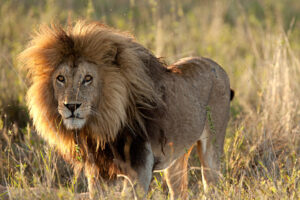
Nyerere National Park is renowned for its large and healthy wildlife populations. The park supports one of the biggest populations of African elephants, often seen in large family herds along the riverbanks.
Other frequently encountered species include:
-
Lions, leopards, and cheetahs
-
African wild dogs (one of the park’s key conservation successes)
-
Buffaloes, giraffes, zebras, wildebeest, and antelope species
-
Hippos and Nile crocodiles in abundance
For bird enthusiasts, the park is a true haven, with over 400 recorded bird species, ranging from fish eagles and kingfishers to migratory species during the green season.
Unique Safari Activities You Won’t Find Elsewhere
Nyerere National Park offers one of the most diverse safari experiences in Tanzania:
🚙 Game Drives
Explore vast, uncrowded landscapes where sightings are intimate and uninterrupted. The low number of vehicles ensures a private and exclusive safari experience.
🚤 Boat Safaris
Boat safaris along the Rufiji River are a highlight of any visit. Glide silently past hippos, crocodiles, elephants, and abundant birdlife — an experience unique to southern Tanzania.
🚶 Walking Safaris
Guided walking safaris with professional armed rangers provide a deeper understanding of the ecosystem, tracking wildlife on foot and learning about plants, insects, and animal behavior.
Best Time to Visit Nyerere National Park
Nyerere National Park is a year-round destination, with each season offering something special:
-
Dry Season (June–October):
Best for wildlife viewing, photography, and predator sightings as animals concentrate near water sources. -
Green Season (November–May):
Lush scenery, fewer visitors, dramatic skies, excellent birdwatching, and outstanding photographic opportunities.
Accommodation – From Luxury to Authentic Tented Camps
Nyerere National Park offers a selection of high-quality lodges and intimate tented camps, carefully positioned to maximize privacy and wildlife access. Options range from luxury riverfront lodges to eco-friendly camps that blend seamlessly into the environment.
All accommodations emphasize:
-
Personalized service
-
Expert guiding
-
Sustainable tourism practices
Why Choose Nyerere National Park for Your Safari?
-
One of Africa’s largest and least crowded safari destinations
-
Exceptional wildlife diversity, including endangered wild dogs
-
Unique combination of game drives, boat safaris, and walking safaris
-
Ideal for honeymooners, photographers, families, and experienced safari travelers
-
Perfect to combine with Zanzibar beach holidays or other Tanzania parks
Frequently Asked Questions – Nyerere National Park Safari
How do I get to Nyerere National Park?
Nyerere National Park is easily accessible by both air and road.
-
By air:
Daily scheduled and charter flights operate from Dar es Salaam, Zanzibar, and other major safari destinations to airstrips inside the park. Flight time from Dar es Salaam is approximately 45–60 minutes, making this the most convenient option. -
By road:
The park can be reached by road from Dar es Salaam in approximately 5–6 hours, depending on road conditions. Road transfers offer scenic views of rural Tanzania and can be combined with cultural stops.
How long should I spend in Nyerere National Park?
We recommend spending 3 to 4 nights in Nyerere National Park to fully enjoy the experience. This allows enough time for:
-
Game drives
-
Boat safaris on the Rufiji River
-
Walking safaris
-
Relaxation at your lodge
For travelers combining the park with Zanzibar or other Tanzania parks, Nyerere fits perfectly into a longer itinerary.
Is Nyerere National Park safe to visit?
Yes. Nyerere National Park is considered very safe for tourists.
-
All safari activities are conducted with professional, licensed guides
-
Walking safaris are led by armed park rangers
-
Lodges and camps follow strict safety and conservation protocols
As with all safari destinations, guests are briefed on wildlife safety guidelines, and following your guide’s instructions ensures a safe and enjoyable experience.
What wildlife can I expect to see?
Nyerere National Park is known for its rich and diverse wildlife. Common sightings include:
-
Elephants, giraffes, buffaloes, zebras, and antelopes
-
Lions, leopards, and cheetahs
-
Hippos and crocodiles along the Rufiji River
-
Endangered African wild dogs
The park is also home to over 400 bird species, making it an excellent destination for birdwatchers.
What is the best time to visit Nyerere National Park?
-
June to October (Dry Season):
Best for wildlife viewing and photography, with animals concentrated near water sources. -
November to May (Green Season):
Fewer visitors, lush landscapes, excellent birdwatching, and beautiful scenery. Wildlife viewing remains good, especially along rivers.
How much does a Nyerere National Park safari cost?
Safari costs vary depending on travel season, accommodation level, and length of stay.
Approximate price ranges per person per night:
-
Mid-range safaris: USD 350 – 600
-
Luxury safaris: USD 700 – 1,200+
Prices typically include:
-
Accommodation and meals
-
Game drives, boat safaris, and walking safaris
-
Park fees and conservation charges
-
Professional guide services
-
Transfers (depending on itinerary)
We offer custom safari packages to match different budgets and travel styles.
Can Nyerere National Park be combined with Zanzibar?
Absolutely. Nyerere National Park is one of the best safari destinations to combine with Zanzibar due to its short flight distance. Many travelers enjoy:
-
A wildlife safari in Nyerere
-
Followed by a beach holiday in Zanzibar
This combination offers the perfect balance of adventure and relaxation.
Is Nyerere National Park suitable for families and honeymooners?
Yes.
-
Families: Select lodges offer family-friendly accommodations and flexible safari activities.
-
Honeymooners & couples: The park’s remoteness, privacy, and luxury lodges make it ideal for romantic getaways.
Do I need a visa or vaccinations to visit?
Most travelers require a Tanzania tourist visa, which can be obtained online or on arrival, depending on nationality. Commonly recommended vaccinations include yellow fever (depending on travel route) and routine immunizations. We provide detailed travel guidance once your booking is confirmed.
Plan Your Tailor-Made Nyerere National Park Safari
We specialize in designing custom safari itineraries to Nyerere National Park, tailored to your interests, travel dates, and budget. Whether you seek luxury, adventure, or a secluded romantic escape, our expert team will create an unforgettable safari experience in Tanzania’s most pristine wilderness.
📩 Contact us today to start planning your Nyerere National Park safari.