
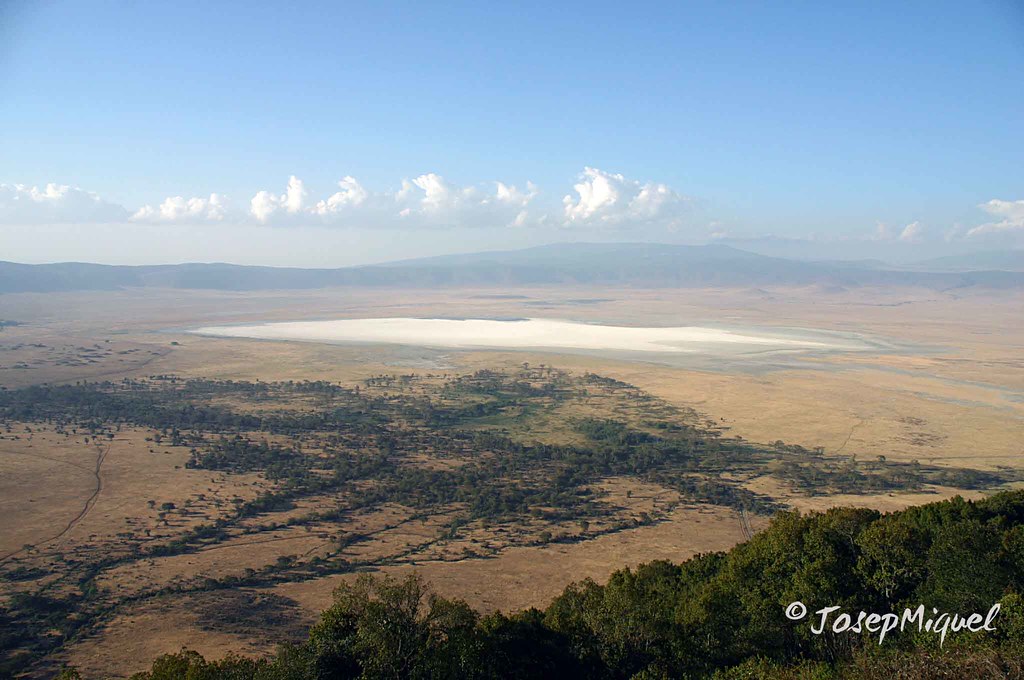
Ngorongoro Conservation Area: Africa’s Natural Wonder and Cradle of Mankind
The Ngorongoro Conservation Area (NCA) stands as one of the most remarkable and scientifically significant landscapes on Earth. Situated in northern Tanzania within the Arusha Region, this vast protected area is globally celebrated for its dramatic volcanic scenery, exceptional wildlife density, and profound contribution to the understanding of human evolution. Recognized as a UNESCO World Heritage Site, Ngorongoro represents a rare harmony between nature, culture, and history—where wildlife conservation, archaeological preservation, and traditional human livelihoods coexist within a single protected ecosystem.
Covering an area of approximately 8,292 square kilometers, the Ngorongoro Conservation Area forms a critical part of the greater Serengeti ecosystem. It encompasses sweeping savannahs, lush highland forests, alkaline lakes, volcanic craters, and open plains that support an extraordinary diversity of flora and fauna. At its center lies the world-famous Ngorongoro Crater, the largest intact volcanic caldera in the world, often described as a natural wildlife sanctuary due to its permanent water sources and year-round game viewing opportunities.
What sets Ngorongoro apart from other protected areas in Africa is its multiple-land-use conservation model, established in 1959. Unlike national parks where human settlement is prohibited, Ngorongoro allows the indigenous Maasai pastoralist communities to live and graze their livestock within designated areas. This approach reflects a long-standing relationship between people and nature and highlights the conservation area’s role as both a natural refuge and a living cultural landscape.
Beyond its ecological importance, Ngorongoro is internationally recognized as the Cradle of Mankind. Sites such as Olduvai Gorge have yielded some of the world’s most important fossil discoveries, offering invaluable insight into early human evolution dating back nearly two million years. These findings place Ngorongoro at the heart of global scientific research and human heritage.
Today, the Ngorongoro Conservation Area remains one of Africa’s premier safari destinations and a symbol of sustainable conservation. Its combination of breathtaking scenery, dense wildlife populations—including the Big Five—ancient human history, and vibrant Maasai culture makes it an unparalleled destination for travelers, researchers, and conservationists alike.
A Unique Conservation Model
Established in 1959, the Ngorongoro Conservation Area covers approximately 8,292 square kilometers. Unlike national parks, NCA follows a multiple-land-use model, allowing wildlife to coexist with the indigenous Maasai pastoralist communities. This balance between nature and people makes Ngorongoro a global example of sustainable conservation.
The Spectacular Ngorongoro Crater
At the heart of the conservation area lies the famous Ngorongoro Crater, the world’s largest intact and unflooded volcanic caldera. Formed over two million years ago, the crater measures about 20 kilometers in diameter and drops 600 meters to its fertile floor.
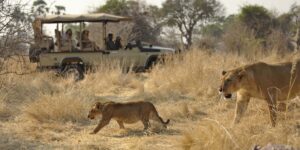
Often referred to as Africa’s Garden of Eden, the crater supports one of the highest concentrations of wildlife on the continent. Visitors can encounter the Big Five—lion, elephant, buffalo, leopard, and the endangered black rhinoceros—within a single game drive.
Exceptional Wildlife Diversity
Ngorongoro is part of the greater Serengeti ecosystem and plays a vital role in the Great Wildebeest Migration. Millions of wildebeest, zebras, and gazelles move through the area seasonally, especially around the Ndutu plains, making it a prime location for dramatic wildlife viewing.
The conservation area is also home to:
-
Over 500 bird species, including flamingos, ostriches, and raptors
-
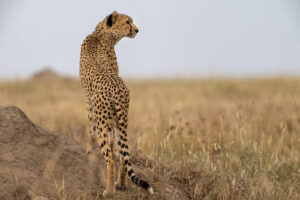
Large populations of predators such as lions, hyenas, and cheetahs
-
Plains game including giraffes, hippos, elands, and warthogs
Cradle of Human History
Beyond wildlife, Ngorongoro holds immense archaeological significance. The famous Olduvai Gorge, located within the conservation area, is one of the most important paleoanthropological sites in the world. Fossil discoveries here provide evidence of early human ancestors dating back nearly two million years, earning the region the title “Cradle of Mankind.”
Cultural Heritage of the Maasai
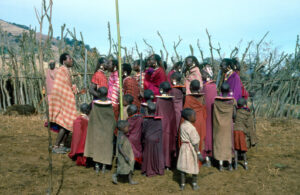
The Maasai people have lived in Ngorongoro for centuries, maintaining their traditional pastoral lifestyle. Visitors can engage in cultural experiences, learning about Maasai customs, dress, dances, and their harmonious relationship with nature. Their presence adds a living cultural dimension to the conservation area.
Best Time to Visit
Ngorongoro is a year-round destination, but the experience varies by season:
-
June to October (Dry Season): Excellent wildlife viewing with clear skies
-
December to March: Calving season around Ndutu, with intense predator activity
-
April to May: Lush landscapes and fewer tourists, ideal for photography
Activities in Ngorongoro Conservation Area
Visitors can enjoy a wide range of experiences, including:
-
Guided game drives in the Ngorongoro Crater
-
Cultural tours with Maasai communities
-
Birdwatching and nature photography
-
Visits to Olduvai Gorge Museum
-
Scenic viewpoints and nature walks (in designated areas)
A World Heritage Treasure
The Ngorongoro Conservation Area is more than a safari destination—it is a place where nature, culture, and history meet. From dramatic volcanic landscapes and dense wildlife populations to ancient human origins and living traditions, Ngorongoro offers an unforgettable experience and remains one of the greatest natural wonders on Earth.