
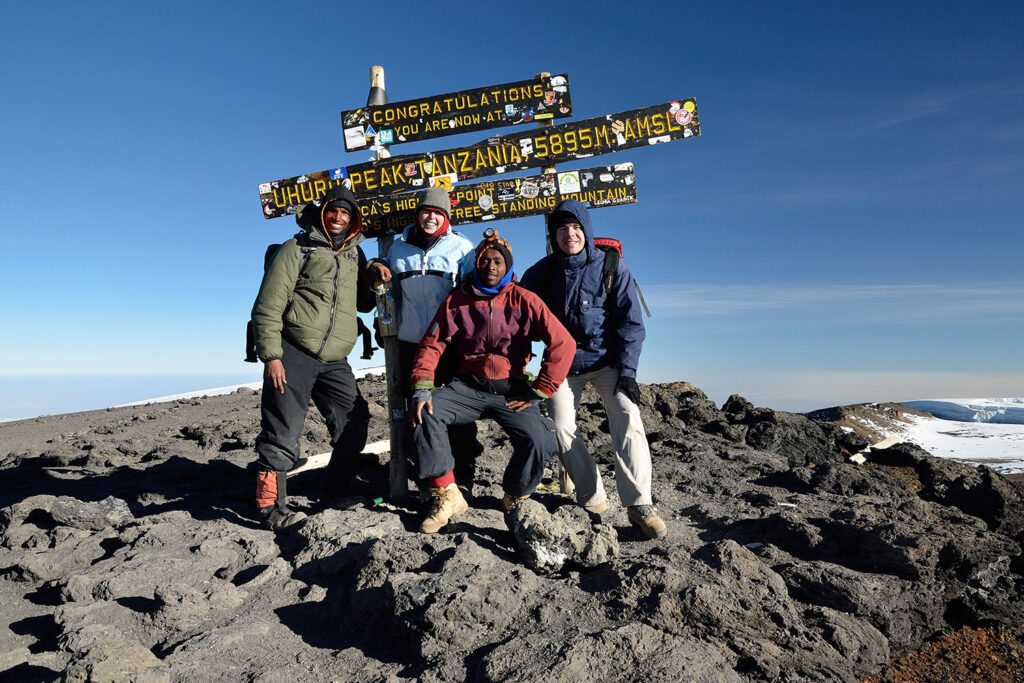
Kilimanjaro National Park – Mount Kilimanjaro Climbing & Trekking Guide
Kilimanjaro National Park is one of Africa’s most iconic and celebrated natural destinations, attracting travelers from around the world who dream of standing on the Roof of Africa. Located in northern Tanzania, the park is home to the legendary Mount Kilimanjaro, the highest mountain in Africa and the tallest free-standing mountain on Earth, rising to an impressive 5,895 meters (19,341 feet) above sea level.
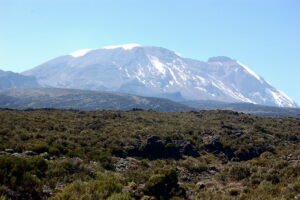
Renowned for its breathtaking scenery, ecological diversity, and world-class trekking experiences, Kilimanjaro National Park offers far more than a mountain climb. Within a single journey, visitors pass through lush tropical rainforests, open heathlands, stark alpine deserts, and icy arctic conditions near the summit—an extraordinary transition of landscapes found nowhere else in the world. This unique range of ecosystems has earned the park its status as a UNESCO World Heritage Site and one of Tanzania’s most important conservation areas.
Each year, thousands of adventurers visit Kilimanjaro National Park to experience Mount Kilimanjaro climbing, one of the most accessible high-altitude treks globally. Unlike many of the world’s highest peaks, Mount Kilimanjaro requires no technical mountaineering skills, making it achievable for well-prepared hikers accompanied by experienced guides. At the same time, the mountain presents a serious physical and mental challenge, where proper acclimatization, route selection, and timing are key to a successful summit.
Beyond trekking, Kilimanjaro National Park plays a vital role in supporting local communities and wildlife habitats. The fertile lower slopes sustain agriculture and traditional lifestyles, particularly those of the Chagga people, whose culture and history are closely tied to the mountain. Wildlife such as elephants, buffaloes, monkeys, and diverse bird species thrive in the park’s forested zones, adding further value to this extraordinary protected area.
Whether you are planning to climb Mount Kilimanjaro, explore its scenic lower slopes, or combine the adventure with a Tanzania safari or Zanzibar beach holiday, Kilimanjaro National Park stands as a symbol of natural beauty, adventure, and personal achievement.
Where Is Kilimanjaro National Park Located?
Kilimanjaro National Park is located in northern Tanzania, near the town of Moshi, close to the Kenya–Tanzania border. The park covers approximately 1,688 square kilometers and protects Mount Kilimanjaro and its surrounding montane forests, which are vital for wildlife conservation and water catchment.
Mount Kilimanjaro consists of three volcanic cones:
Kibo – the highest peak and home to Uhuru Peak
Kibo is the highest and most famous of the three volcanic cones that form Mount Kilimanjaro, Tanzania’s iconic mountain and Africa’s highest peak. Rising to 5,895 meters (19,341 feet) above sea level, Kibo is home to Uhuru Peak, the highest point in Africa and the ultimate goal for climbers ascending Mount Kilimanjaro.
Unlike the rugged and sharply pointed Mawenzi cone or the eroded Shira plateau, Kibo has a broad, symmetrical shape with a dormant volcanic crater at its summit. It is the only cone on Kilimanjaro that still shows signs of volcanic activity, although its last major eruption occurred hundreds of thousands of years ago.
Reaching the summit of Kibo is one of the most powerful experiences in African adventure travel. Standing at Uhuru Peak represents not only the completion of a challenging climb but also a personal triumph against altitude, endurance, and nature.
Mawenzi – rugged and dramatic
Mawenzi is the second-highest of the three volcanic cones that form Mount Kilimanjaro, standing at 5,149 meters (16,893 feet) above sea level. Located east of Kibo, Mawenzi is renowned for its dramatic, jagged peaks and sharp ridges, making it the most rugged and visually striking feature of Kilimanjaro.
In contrast to the broad, snow-capped dome of Kibo, Mawenzi has a steep, eroded profile shaped by centuries of volcanic activity and weathering. Although it is not the main summit climbed by trekkers, Mawenzi plays a crucial role in Kilimanjaro’s geography, ecology, and scenic beauty.
While most visitors set their sights on Uhuru Peak, Mawenzi remains an essential part of the Kilimanjaro experience. Its wild, untamed appearance adds depth and character to the mountain and reminds climbers of the raw natural forces that shaped Africa’s highest peak.
Shira – the oldest and eroded cone
Shira Peak is the oldest and lowest of the three volcanic cones that form Mount Kilimanjaro, with an elevation of approximately 3,962 meters (12,999 feet) above sea level. Located on the western side of the mountain, Shira represents the earliest stage of Kilimanjaro’s volcanic formation and today appears as a broad, high-altitude plateau rather than a sharp summit.
Although Shira Peak is often overshadowed by the towering heights of Kibo and the rugged spires of Mawenzi, it plays a vital role in Kilimanjaro’s geological history and offers some of the most scenic and less crowded trekking landscapes on the mountain.
While Shira Peak no longer reaches the dramatic heights of Kibo or Mawenzi, it forms the foundation upon which Mount Kilimanjaro was built. Its gentle slopes, open landscapes, and ancient volcanic remnants offer a quieter, more contemplative side of Africa’s highest mountain.
Ecosystems and Wildlife in Kilimanjaro National Park
One of the most unique features of Kilimanjaro National Park is the ability to pass through five distinct climate zones during a single climb:
-
Rainforest Zone – dense forest, waterfalls, and wildlife
-
Heath and Moorland Zone – giant lobelias and senecios
-
Alpine Desert Zone – dry, rocky landscapes
-
Arctic Zone – glaciers and snow near the summit
Wildlife is mainly found in the lower forest areas and includes elephants, buffaloes, leopards, bushbucks, blue monkeys, and colobus monkeys, as well as a wide variety of bird species.
Mount Kilimanjaro Climbing and Trekking Routes
Climbing Mount Kilimanjaro does not require technical mountaineering skills, making it one of the most accessible high-altitude treks in the world. Proper acclimatization, fitness, and experienced guides are essential for success.
Popular Kilimanjaro trekking routes include:
-
Machame Route – scenic and popular
-
Marangu Route – the only route with hut accommodation
-
Lemosho Route – remote, scenic, and excellent for acclimatization
-
Rongai Route – quieter and drier
-
Northern Circuit Route – longest route with the highest summit success rate
Most Kilimanjaro climbs last between 6 and 9 days, depending on the route chosen.
Best Time to Climb Mount Kilimanjaro
The best time to climb Mount Kilimanjaro is during the dry seasons:
-
January to March – quieter with occasional snow at the summit
-
June to October – most popular and stable weather conditions
Kilimanjaro can be climbed year-round, but weather and trail conditions vary by season.
Cultural Experiences Around Kilimanjaro
Kilimanjaro National Park lies in the ancestral land of the Chagga people, one of Tanzania’s largest ethnic groups. Visitors can enhance their trip with:
-
Chagga cultural tours
-
Coffee plantation visits
-
Local village walks around Moshi
These experiences provide insight into the cultural heritage connected to Mount Kilimanjaro.
Why Visit Kilimanjaro National Park?
-
Climb Africa’s highest mountain
-
Experience multiple ecosystems in one trek
-
Enjoy spectacular views and summit sunrises
-
Combine Kilimanjaro trekking with Tanzania safaris or Zanzibar beaches
-
Achieve a once-in-a-lifetime adventure
Planning Your Kilimanjaro Trek
All climbs in Kilimanjaro National Park must be conducted with licensed guides and registered tour operators. Proper planning, quality equipment, and responsible tourism practices ensure a safe and successful climb.
Whether your goal is reaching Uhuru Peak or exploring the lower slopes, Kilimanjaro National Park offers one of the most rewarding trekking experiences in Africa.
Combining Mount Kilimanjaro and a Tanzania Safari – The Ultimate African Adventure
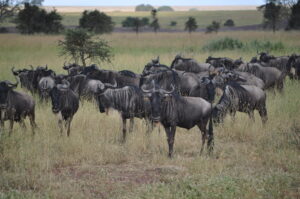
Combining Mount Kilimanjaro climbing with a Tanzania safari offers one of the most complete and rewarding travel experiences in Africa. This unique itinerary blends high-altitude adventure on Africa’s highest mountain with world-class wildlife encounters in some of the continent’s most famous national parks.
From standing on the Roof of Africa at Uhuru Peak to watching lions, elephants, and giraffes roam across vast savannahs of Serengeti, Ngorongoro or Tarangire national park, a Kilimanjaro and safari combination delivers both personal achievement and unforgettable wildlife experiences in a single journey.
Conclusion: Kilimanjaro Hiking – A Journey Above the Clouds
Hiking Mount Kilimanjaro is more than a trek to Africa’s highest peak—it is a life-changing journey through some of the most diverse and dramatic landscapes on Earth. From lush rainforest trails to stark alpine deserts and the icy summit of Uhuru Peak, every step on Kilimanjaro offers a sense of discovery, challenge, and accomplishment.
What makes Kilimanjaro hiking truly unique is its accessibility. Without requiring technical climbing skills, the mountain invites determined hikers from around the world to test their limits while supported by experienced guides and carefully planned routes. With proper preparation, acclimatization, and timing, reaching the summit is an achievable and deeply rewarding goal.
Beyond the physical challenge, hiking Kilimanjaro offers powerful moments of reflection and connection—with nature, culture, and personal resilience. Standing at the summit as the sun rises above the African plains is an unforgettable experience that symbolizes perseverance, freedom, and success.
Whether you hike Mount Kilimanjaro as a personal challenge, an adventure of a lifetime, or as part of a broader Tanzania safari experience, the journey leaves a lasting impression long after the descent. Kilimanjaro is not just a mountain to climb—it is a story to live and a memory to carry forever.