
10 Essential Tips for a Successful Safari in Tanzania
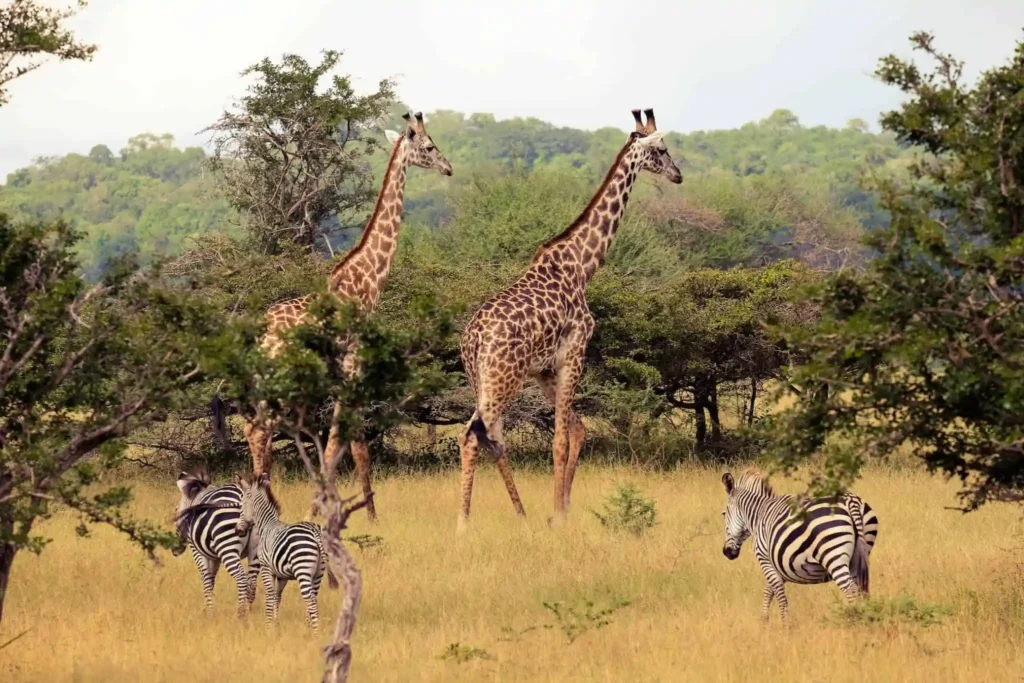
A safari in Tanzania is more than a holiday — it is a journey into one of the last truly wild places on Earth. Imagine watching a golden sunrise spread across the endless plains of the Serengeti, hearing lions roar in the distance, or witnessing thousands of wildebeest move together in the world-famous Great Migration. Tanzania offers an authentic African safari experience that combines breathtaking landscapes, extraordinary wildlife, and rich cultural heritage.
Home to some of Africa’s most iconic national parks, including Serengeti National Park, Ngorongoro Crater, Tarangire National Park, and Nyerere National Park, Tanzania provides unmatched opportunities to see the Big Five — lion, leopard, elephant, buffalo, and rhino — in their natural habitat. From vast savannahs and volcanic craters to acacia woodlands and shimmering lakes filled with flamingos, the diversity of scenery is simply spectacular.
But a successful safari requires more than just booking a trip. Understanding the best time to visit, knowing what to pack, choosing the right safari itinerary, and traveling with experienced guides can make the difference between a good adventure and a life-changing experience.
Whether you are a first-time visitor to Africa or a seasoned traveler seeking your next great wildlife encounter, proper preparation ensures you enjoy every moment safely and comfortably. In this guide, we share expert tips to help you plan a seamless, unforgettable safari in Tanzania — so you can focus on what truly matters: experiencing the wild beauty of Africa.
1. Visit During the Best Safari Season
Timing is everything.
-
June to October (Dry Season): Best for wildlife viewing as animals gather around water sources.
-
January to March: Ideal for the Serengeti calving season.
-
April and May: Rainy season – fewer crowds but more challenging road conditions.
If your goal is prime wildlife viewing, the dry season is your best choice.
2. Choose the Right National Parks
Each park in Tanzania offers a unique experience:
-
Serengeti National Park – Home of the Great Migration and big cats.
-
Ngorongoro Crater – High concentration of wildlife in a stunning volcanic caldera.
-
Tarangire National Park – Famous for large elephant herds and ancient baobab trees.
-
Lake Manyara National Park – Known for tree-climbing lions and birdlife.
-
Nyerere National Park (Selous) – Remote, wild, and less crowded.
Selecting the right combination of parks ensures a diverse safari experience.
3. Book with a Professional Safari Operator
A knowledgeable guide can make the difference between a good safari and an extraordinary one.
Choose an operator that:
-
Is licensed and experienced
-
Provides well-maintained 4×4 safari vehicles
-
Employs professional, English-speaking guides
-
Has excellent reviews and safety standards
Experienced guides understand animal behavior and know where to find wildlife.
4. Pack Smart for Safari
Packing properly enhances comfort and safety.
Essentials include:
-
Neutral-colored clothing (khaki, beige, olive)
-
Comfortable walking shoes
-
Light jacket for chilly mornings
-
Sunscreen, hat, and sunglasses
-
Insect repellent
-
Binoculars
-
Camera with spare batteries and memory cards
Avoid bright colors and camouflage clothing.
5. Respect Wildlife and Follow Park Rules
Remember, you are a guest in the animals’ natural habitat.
-
Stay inside the safari vehicle unless instructed otherwise.
-
Keep noise levels low.
-
Never feed or disturb animals.
-
Always follow your guide’s instructions.
Responsible tourism protects wildlife and ensures everyone’s safety.
6. Start Game Drives Early
The best wildlife sightings happen:
-
Early in the morning
-
Late in the afternoon
Predators are more active during cooler hours, and the lighting is perfect for photography.
7. Be Patient and Observant
Safari is not a zoo experience. Wildlife sightings require patience.
Sometimes the most magical moments happen after quietly waiting — a lion pride emerging from the grass or a leopard descending from a tree.
Patience rewards you with unforgettable encounters.
8. Stay Hydrated and Protect Yourself from the Sun
Tanzania’s sun can be strong, especially during midday.
-
Drink plenty of water.
-
Wear sun protection.
-
Take breaks between long drives.
Comfort ensures you fully enjoy the experience.
9. Carry Proper Travel Documents and Insurance

Before traveling, ensure you have:
-
A valid passport
-
Tanzanian visa (if required)
-
Travel insurance covering medical emergencies
-
Some USD cash (newer notes) for tips and small purchases
Preparation avoids unnecessary stress during your trip.
10. Embrace the Full Safari Experience
Safari is more than just wildlife viewing.
-
Learn about ecosystems from your guide.
-
Enjoy breathtaking landscapes.
-
Consider visiting a Maasai community.
-
Take time to appreciate the silence and beauty of Africa.
The magic of Tanzania lies in both its animals and its culture.
Final Thoughts
A Tanzanian safari is an adventure that combines wildlife, culture, and breathtaking scenery. With the right planning, timing, and preparation, your journey will be smooth, exciting, and truly unforgettable.
Whether you dream of witnessing the Great Migration or exploring the Ngorongoro Crater, following these expert tips will help you experience Tanzania at its very best.
Ready to plan your Tanzania safari? Contact us today to design your perfect African adventure.
Here is a more detailed, emotionally engaging, website-ready introduction you can use at the beginning of your article: